5 Worst Industrial Disasters in India: A Look Back at the Tamil Nadu Seafood Factory Tragedy
India has seen several devastating industrial disasters, including the Bhopal gas tragedy and recent ammonia leak at a Tamil Nadu seafood factory. Strengthening regulatory frameworks and safety measures can help minimize such risks.
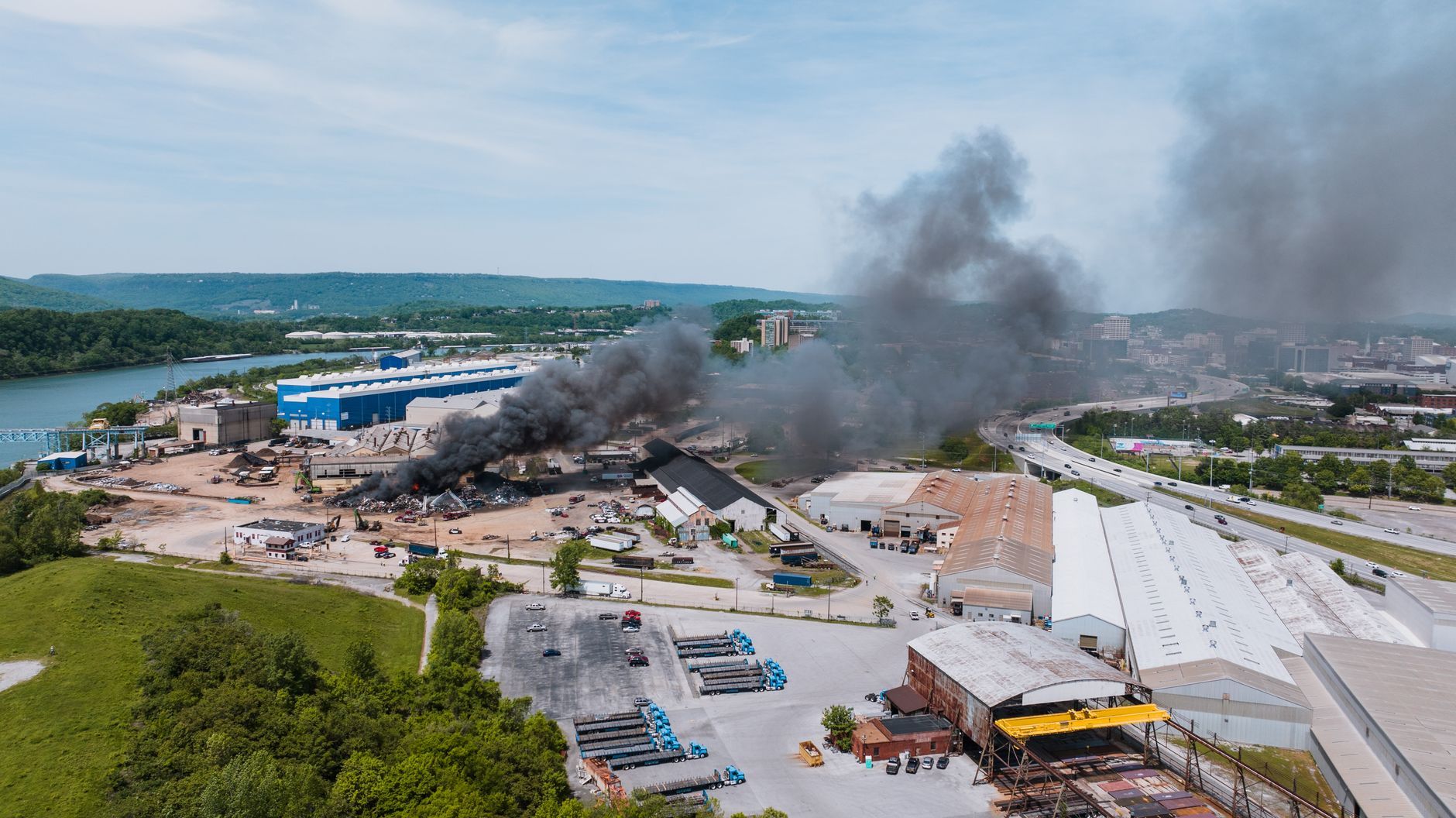
Introduction to Industrial Disasters in India
India has witnessed its fair share of devastating industrial disasters over the years, resulting in significant loss of life and long-term environmental damage. These tragedies have raised important questions about workplace safety, regulatory compliance, and the need for greater accountability in the industrial sector. One such incident that recently made headlines was the ammonia leak at a Tamil Nadu seafood factory, which highlights the ongoing risks faced by workers in various industries across the country.
The Tamil Nadu Seafood Factory Tragedy
The ammonia leak at the Tamil Nadu seafood factory is a stark reminder of the dangers inherent in industrial operations. While details of this specific incident are still emerging, it is clear that such accidents can have catastrophic consequences, affecting not only the workers directly involved but also the surrounding communities and environment. The leak, which occurred due to reportedly faulty equipment or maintenance issues, underscores the importance of stringent safety protocols and regular inspections to prevent such disasters.
Historical Context: Major Industrial Disasters in India
India's history of industrial disasters is marked by several notable incidents that have had profound impacts on the nation's industrial safety policies and practices. Some of the most significant disasters include:
- Bhopal Gas Tragedy (1984): One of the world's worst industrial disasters, the Bhopal gas tragedy occurred when a leak of methyl isocyanate gas from a Union Carbide pesticide plant killed an estimated 3,787 people immediately, with many more dying in the following weeks and years due to gas-related illnesses.
- Vizag Gas Leak (2020): In Vishakhapatnam, a styrene gas leak from an LG Polymers plant resulted in the deaths of at least 11 people and hospitalized hundreds, highlighting the ongoing risks of chemical plant accidents.
- Thane Gas Leak (2016): Although less known, a gas leak incident at a chemical plant in Thane resulted in the hospitalization of several people, emphasizing the need for better safety measures in chemical manufacturing.
- Gurugram Building Collapse (2010): While not purely industrial, the collapse of a building under construction in Gurugram, which was attributed to structural flaws and possibly the use of substandard materials, resulted in several deaths and injuries, pointing to the broader issue of safety standards in construction and other industries.
- Kolkata Flyover Collapse (2016): The collapse of an under-construction flyover in Kolkata, which killed at least 26 people, was another stark reminder of the failures in construction and the need for stricter enforcement of safety norms.
Expert Opinions and Regulatory Measures
Experts in the field of industrial safety emphasize the importance of learning from past disasters to prevent future tragedies. "The key to preventing such disasters lies in a combination of strict regulatory enforcement, adherence to international safety standards, and a culture of safety within organizations," notes Dr. R.K. Sharma, a leading safety consultant. Furthermore, regular training of employees, proper maintenance of equipment, and the implementation of emergency response plans are crucial in mitigating the impact of industrial accidents.
The Path Forward
Moving forward, it is essential for India to strengthen its regulatory framework and ensure that industries comply with safety standards. This includes investing in safety equipment, providing regular safety training to workers, and conducting periodic inspections to identify and rectify potential hazards. Additionally, the establishment of an effective emergency response system that can quickly and effectively respond to industrial accidents is paramount. Only through such comprehensive measures can India hope to minimize the risk of industrial disasters and protect the lives of its workers and citizens.
Conclusion
Industrial disasters like the recent ammonia leak at the Tamil Nadu seafood factory serve as stark reminders of the vulnerabilities in India's industrial sector. By examining the historical context of such tragedies, listening to expert opinions, and understanding the path forward, India can work towards creating a safer, more compliant industrial environment. The lessons learned from these incidents must be used to inform policy and practice, ensuring that the country moves towards a future where such devastating events become less frequent.
Related Articles
300x600
Place AdSense Code Here
Don't Miss
AI Taking Over: 20 Jobs That Are Most Likely to Be Replaced by Robots

The Big Winners of Transilvania Film Festival: You Won't Guess Which Movies Took Home the Top Prizes!

The Future of Work: How AI Will Revolutionize Your Job (For Better or Worse)
300x250
Place AdSense Code Here