Strait of Hormuz Reopens: What This Means for Indian Businesses and Economy
The Strait of Hormuz has reopened, stabilizing oil prices and boosting Indian trade and economy. India's GDP growth is expected to rise to 6.5-7% with stable oil prices.
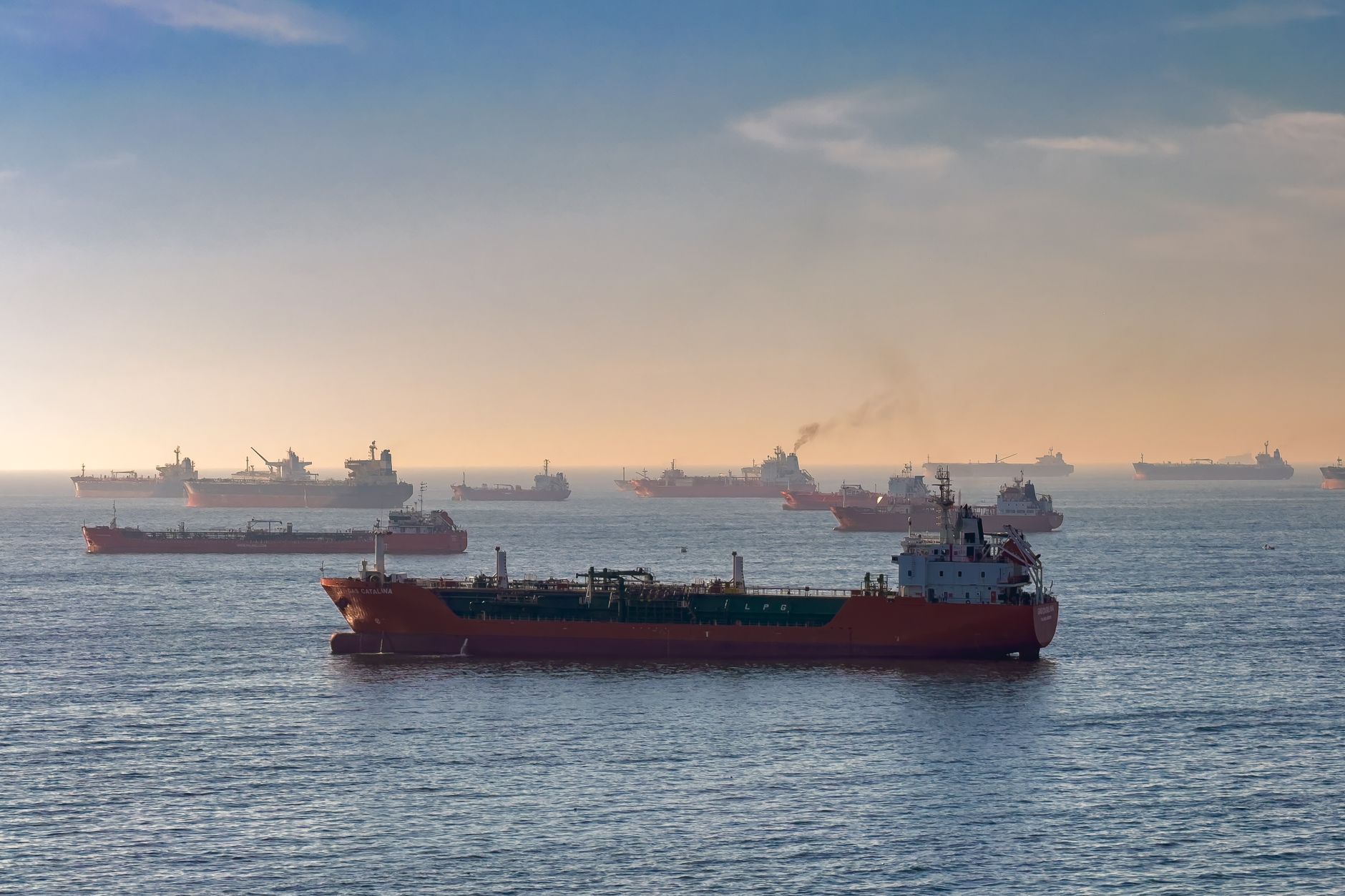
Introduction to the Strait of Hormuz
The Strait of Hormuz, a vital shipping lane connecting the Persian Gulf to the Arabian Sea, has been reopened after a brief closure. This strategic waterway is crucial for international trade, particularly for the transport of oil and natural gas. As the world's most important oil chokepoint, the Strait of Hormuz accounts for nearly 20% of the world's oil supply, with approximately 17.2 million barrels per day passing through it. The reopening of the strait is expected to have significant implications for Indian businesses and the economy, which are heavily reliant on imported oil and natural gas.
Impact on Indian Trade and Shipping
The closure of the Strait of Hormuz had sent shockwaves through the global oil market, with prices surging by over 10% in a single day. India, which imports over 80% of its oil requirements, was particularly vulnerable to the disruption. According to experts, a prolonged closure of the strait could have led to a 15-20% increase in oil prices, resulting in significant costs for Indian consumers and businesses. However, with the strait now reopened, Indian trade and shipping are expected to return to normal, with oil prices likely to stabilize at around $60-70 per barrel.
Effects on Indian Economy
The reopening of the Strait of Hormuz is expected to have a positive impact on the Indian economy, which has been facing challenges due to rising oil prices and a slowing global economy. According to a report by the Reserve Bank of India (RBI), every $10 increase in oil prices reduces India's GDP growth by 0.2-0.3%. With oil prices likely to remain stable, the Indian economy is expected to grow at a rate of 6.5-7% in the coming fiscal year, up from 5.8% in the previous year. Additionally, the stabilization of oil prices will also help to reduce inflation, which has been a major concern for the Indian government.
Impact on Indian Businesses
The reopening of the Strait of Hormuz is also expected to have a positive impact on Indian businesses, particularly those in the energy and transportation sectors. According to a report by the Confederation of Indian Industry (CII), the closure of the strait had resulted in significant losses for Indian shipping companies, with some estimates suggesting that the losses could have been as high as ₹1,000 crore per day. With the strait now reopened, Indian shipping companies are expected to resume their normal operations, resulting in significant cost savings and increased revenue.
Expert Opinions
According to Dr. Surjit Bhalla, a leading Indian economist, the reopening of the Strait of Hormuz is a significant positive development for the Indian economy. "The closure of the strait had resulted in significant uncertainty and volatility in the global oil market, which had a negative impact on the Indian economy. With the strait now reopened, we can expect oil prices to stabilize, which will have a positive impact on Indian businesses and consumers." Similarly, according to Mr. Uday Shetty, a leading Indian shipping expert, the reopening of the strait is a significant relief for Indian shipping companies. "The closure of the strait had resulted in significant losses for Indian shipping companies, which had a negative impact on their profitability and competitiveness. With the strait now reopened, we can expect Indian shipping companies to resume their normal operations, resulting in significant cost savings and increased revenue."
Conclusion
In conclusion, the reopening of the Strait of Hormuz is a significant positive development for Indian businesses and the economy. With oil prices likely to stabilize and trade and shipping returning to normal, the Indian economy is expected to grow at a rate of 6.5-7% in the coming fiscal year. Additionally, the stabilization of oil prices will also help to reduce inflation, which has been a major concern for the Indian government. As the Indian economy continues to grow and develop, it is essential that the government and businesses remain vigilant and take steps to mitigate the risks associated with global economic uncertainty.
Related Articles
300x600
Place AdSense Code Here
Don't Miss
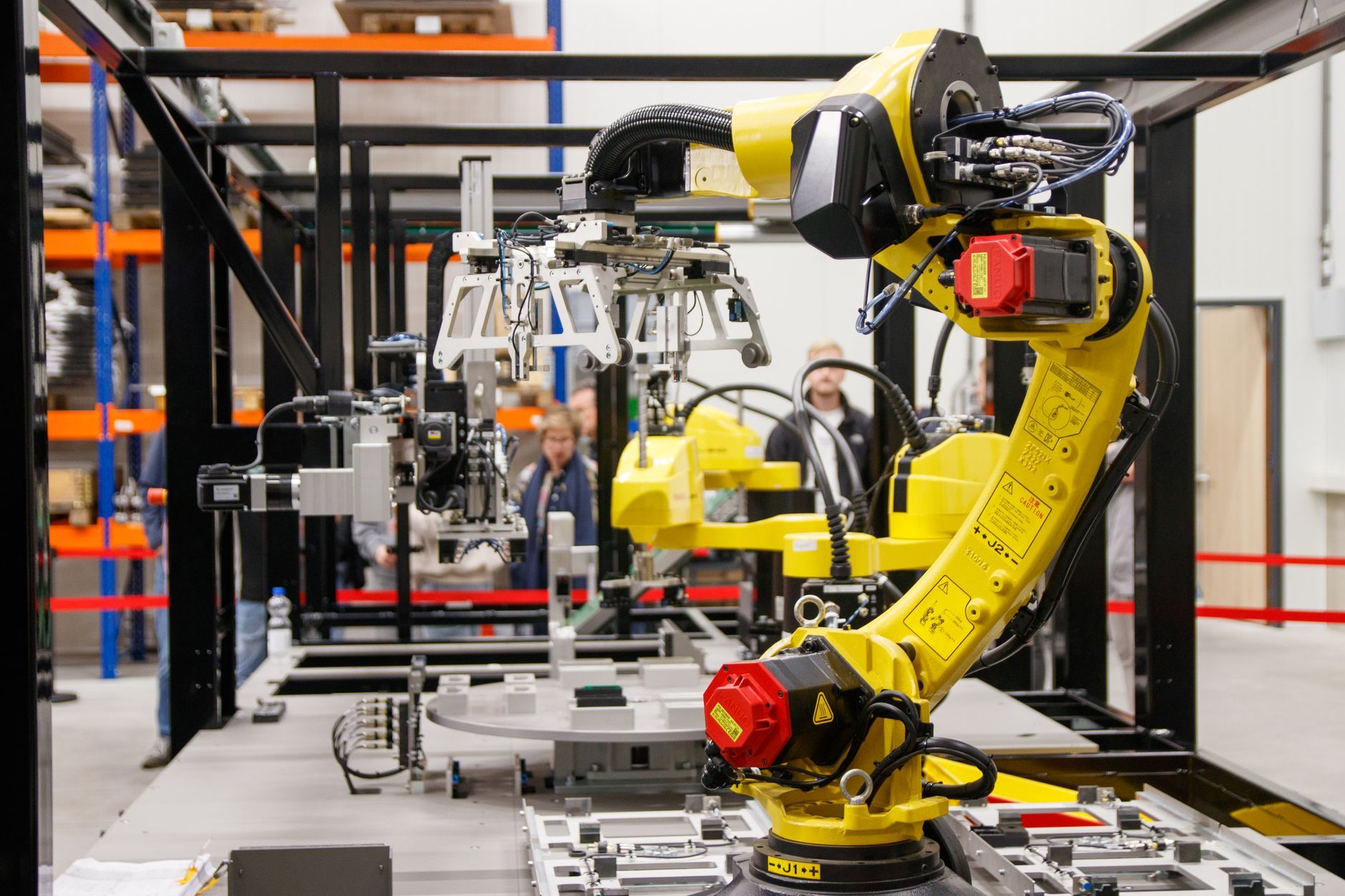
AI Taking Over: 20 Jobs That Are Most Likely to Be Replaced by Robots

5 Worst Industrial Disasters in India: A Look Back at the Tamil Nadu Seafood Factory Tragedy

The Big Winners of Transilvania Film Festival: You Won't Guess Which Movies Took Home the Top Prizes!
300x250
Place AdSense Code Here