Earthquake Strikes Philippines: 8 Dead, 200 Injured, and a Tsunami Warning - What Went Wrong?
A powerful earthquake struck the Philippines, leaving at least 8 people dead and over 200 injured, and raising questions about disaster preparedness in the region. The earthquake has highlighted the need for better disaster planning and investment in
Introduction to the Disaster
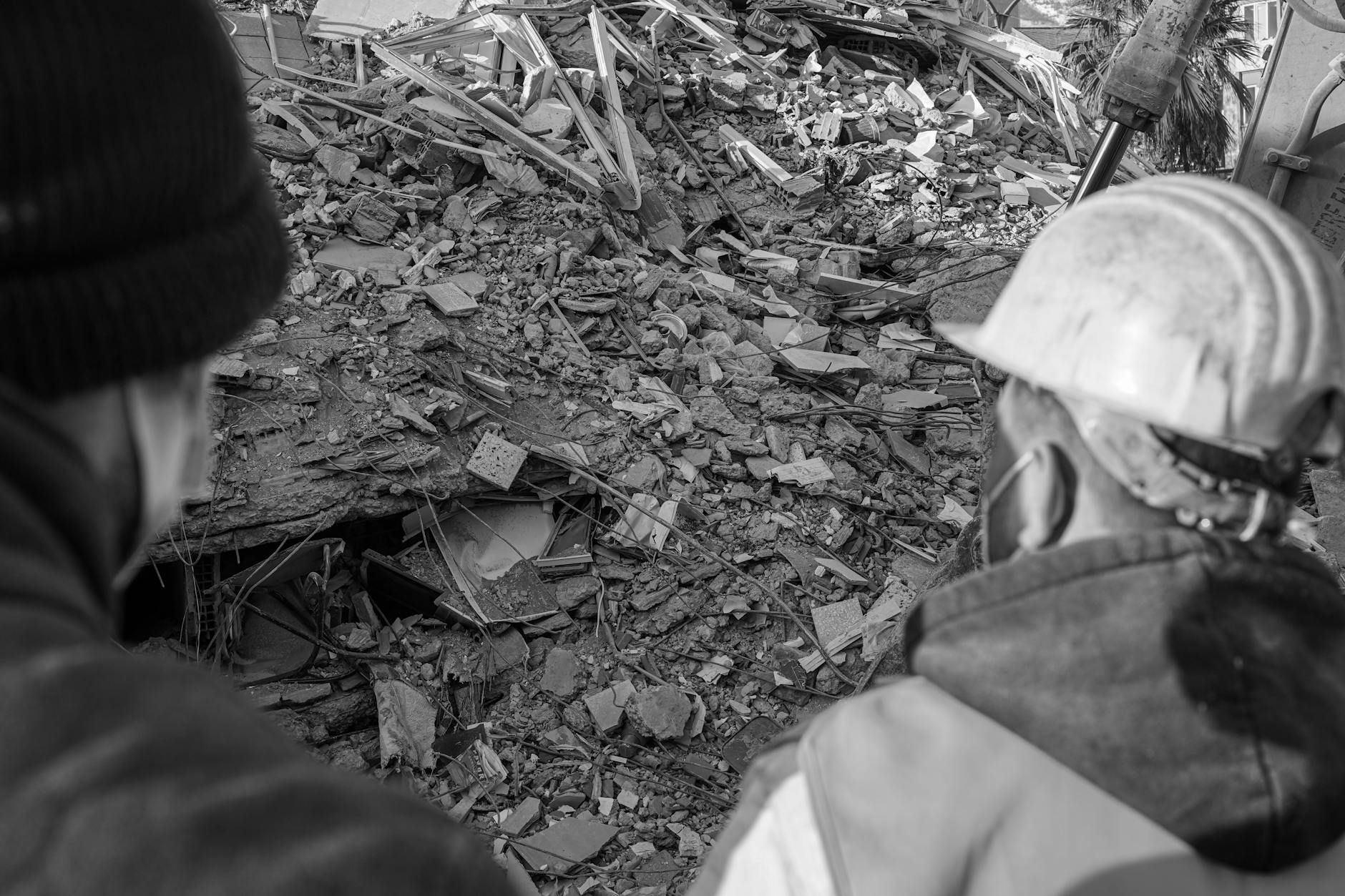
A powerful earthquake struck the Philippines, leaving a trail of destruction and chaos in its wake. The quake, which measured 7.8 on the Richter scale, resulted in the loss of at least 8 lives and injured over 200 people, with many more feared trapped under the rubble. The earthquake also triggered a tsunami warning, prompting widespread panic and evacuations in coastal areas.
The Aftermath of the Earthquake
The earthquake caused widespread destruction, with buildings reduced to rubble and power lines snapped. The affected areas were plunged into darkness, making rescue efforts even more challenging. Emergency services were quickly overwhelmed, with rescue teams struggling to reach remote areas due to damaged infrastructure. The full extent of the damage is still being assessed, but it is clear that the earthquake has had a devastating impact on the region.
Questions About Disaster Preparedness
The earthquake has raised serious questions about disaster preparedness in the Philippines. Despite being located in a seismically active region, many buildings and structures appear to have been poorly designed and constructed, making them vulnerable to earthquake damage. The lack of effective emergency planning and response systems has also been criticized, with many people left to fend for themselves in the aftermath of the disaster.
Tsunami Warning and Evacuations
The tsunami warning issued after the earthquake prompted widespread evacuations in coastal areas, with thousands of people fleeing to higher ground. The warning was later lifted, but not before causing significant disruption and panic. The swift response of emergency services and the effectiveness of the evacuation procedures have been praised, but the fact that a tsunami warning was necessary in the first place has highlighted the need for better disaster preparedness and planning.
International Response and Aid
The international community has responded quickly to the disaster, with offers of aid and assistance pouring in from around the world. The Philippine government has accepted the offers and is working to coordinate the relief efforts. The assistance will be crucial in helping the affected communities to recover and rebuild, but it will also be important to address the underlying issues that made the disaster so devastating in the first place.
Long-Term Consequences and Lessons Learned
The long-term consequences of the earthquake will be significant, with many communities facing a long and difficult road to recovery. The disaster has highlighted the need for better disaster preparedness and planning, as well as the importance of investing in resilient infrastructure and emergency response systems. The Philippine government and international community must work together to learn from this disaster and take steps to prevent similar tragedies from occurring in the future.
The Role of Infrastructure in Disaster Mitigation
The earthquake has also highlighted the critical role that infrastructure plays in disaster mitigation. Well-designed and constructed buildings, roads, and bridges can help to minimize the impact of natural disasters, while poorly maintained or designed infrastructure can exacerbate the damage. The Philippine government must prioritize investment in resilient infrastructure, including seismic-resistant buildings and tsunami-proof coastal defenses.
The Importance of Community Engagement and Education
Community engagement and education are also crucial in disaster preparedness and response. Local communities must be empowered to take ownership of their own disaster risk reduction and management, through education and training programs. This can include teaching people how to prepare for earthquakes, how to respond during an emergency, and how to recover in the aftermath.
Conclusion
The earthquake that struck the Philippines is a devastating reminder of the importance of disaster preparedness and planning. The loss of life and destruction of property are a tragic consequence of the disaster, but they also serve as a warning for the future. By learning from this disaster and taking steps to address the underlying issues, the Philippine government and international community can help to prevent similar tragedies from occurring in the future.
Related Articles
300x600
Place AdSense Code Here
Don't Miss

AI Taking Over: 20 Jobs That Are Most Likely to Be Replaced by Robots
5 Worst Industrial Disasters in India: A Look Back at the Tamil Nadu Seafood Factory Tragedy

The Big Winners of Transilvania Film Festival: You Won't Guess Which Movies Took Home the Top Prizes!
300x250
Place AdSense Code Here