GM Vehicle-to-Grid Tech
The environmental impact of AI, particularly through its data centers, is a growing concern that necessitates innovative solutions to mitigate its effects. General Motors' Vehicle-to-Grid technology offers a promising approach by enabling electric ve
Introduction to the Dark Side of AI
The rapid advancement of Artificial Intelligence (AI) has transformed numerous aspects of our lives, from virtual assistants and self-driving cars to personalized product recommendations and medical diagnosis. However, beneath its glossy surface, AI conceals a dark secret: its profound environmental impact. The operation of AI data centers, which are essentially massive warehouses filled with servers, consumes enormous amounts of energy. This energy consumption not only contributes to the depletion of natural resources but also significantly increases carbon emissions, exacerbating climate change.
The Environmental Impact of AI Data Centers
The environmental footprint of AI is predominantly attributed to the energy-intensive nature of its data centers. These facilities require constant cooling to prevent overheating, which, combined with the power needed to operate the servers, results in a substantial electricity demand. According to recent reports, the energy consumption of data centers worldwide has been on the rise, with estimates suggesting that they could account for as much as 8% of the world's electricity demand by 2030. This has sparked concerns about the sustainability of AI and the need for innovative solutions to mitigate its environmental impact.
GM's Vehicle-to-Grid Technology: A Beacon of Hope
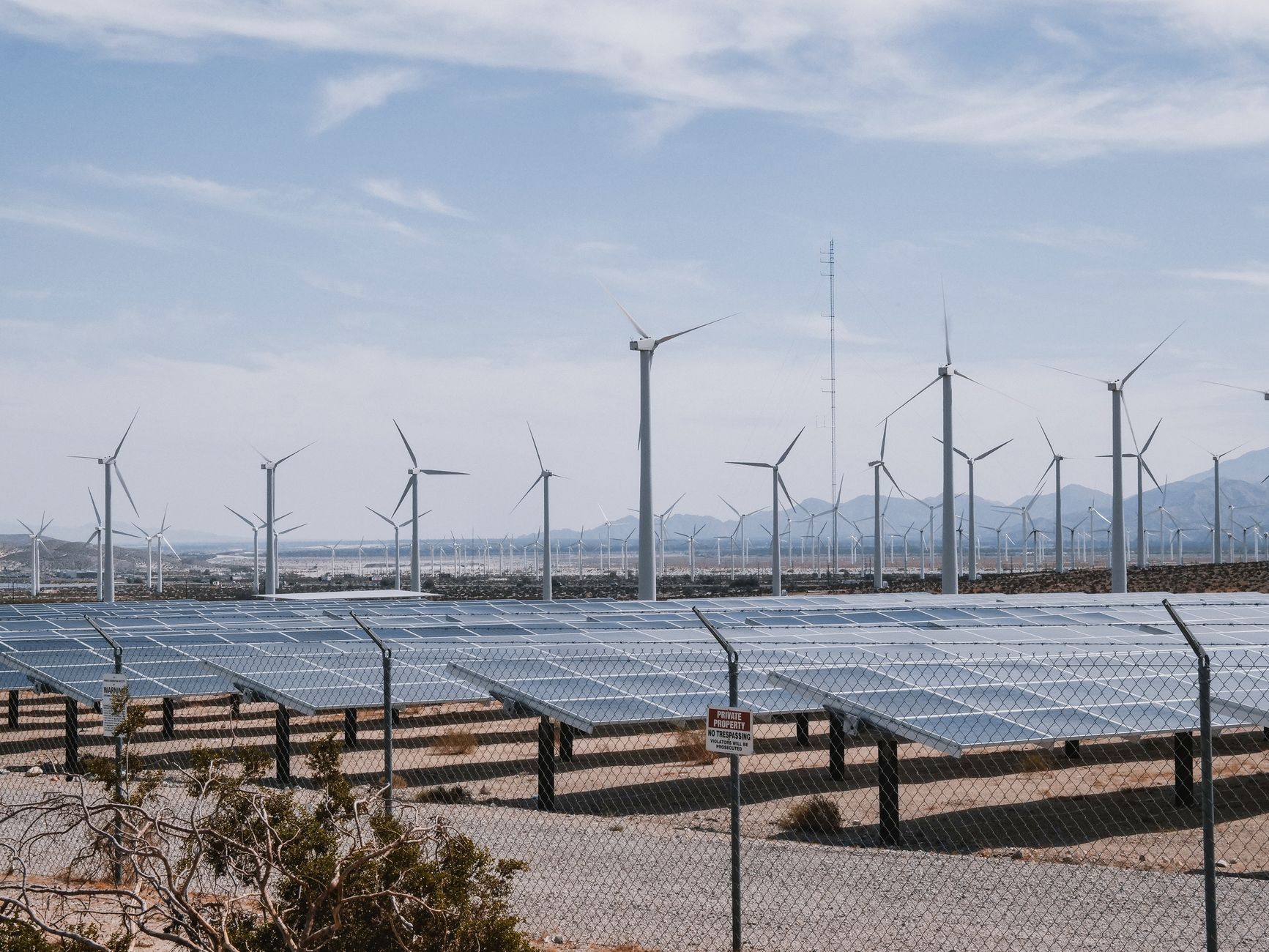
In an effort to counterbalance the energy demands of technologies like AI, General Motors (GM) has been pioneering an innovative technology known as Vehicle-to-Grid (V2G). This system enables electric vehicles to supply energy back to the electrical grid when they are not in use, essentially transforming them into mobile power sources. By doing so, GM's V2G tech can help stabilize the grid, provide backup power during outages, and even contribute to the integration of renewable energy sources into the grid. This approach not only offers a potential solution to the energy consumption issue posed by AI data centers but also paves the way for a more sustainable and resilient energy infrastructure.
How V2G Technology Works
The V2G system operates by allowing electric vehicles to communicate with the power grid to provide or absorb energy as needed. When an electric vehicle is plugged into a charging station equipped with V2G capabilities, it can either draw power from the grid to charge its battery or supply energy back to the grid if its battery is fully charged or if the grid requires additional power. This bidirectional flow of energy is controlled through sophisticated software and hardware, ensuring that the vehicle's battery health is maintained while providing grid support. GM's development of this technology marks a significant step towards creating a more symbiotic relationship between electric vehicles and the energy grid.
Lenovo's Concept Laptop and Solar Charging
In a related development, tech giant Lenovo has unveiled a concept laptop that can be charged using solar power. This innovation aligns with the broader push towards sustainability and reducing reliance on non-renewable energy sources. While the immediate applicability of solar-charged laptops to the issue of AI's energy consumption might be indirect, it represents a shift in mindset within the tech industry towards more environmentally friendly solutions. As technologies like these become more prevalent, they could contribute to a reduction in the overall energy demand of tech devices, including those used in AI operations.
Conclusion: Harnessing Technology for Sustainability
The advent of AI and its increasing integration into our daily lives have brought about unprecedented convenience and innovation. However, the environmental cost of this progress cannot be overlooked. GM's Vehicle-to-Grid technology and similar innovations, such as Lenovo's solar-powered laptop, highlight the potential for technology to not only recognize its environmental footprint but to also be part of the solution. By embracing and developing sustainable technologies, we can work towards mitigating the negative impacts of AI's energy consumption and pave the way for a more sustainable future for all.
Final Thoughts: The Path to a Greener Tomorrow
As we move forward, it's essential to continue investing in and developing technologies that promote sustainability and reduce environmental impact. The integration of Vehicle-to-Grid systems, renewable energy sources, and energy-efficient devices can significantly mitigate the effects of AI's energy suck. Furthermore, encouraging a culture of sustainability within the tech industry, where companies prioritize environmental responsibility alongside innovation, is crucial. By acknowledging the challenges posed by AI's energy consumption and actively working towards solutions, we can ensure that the benefits of technological advancement are not overshadowed by its environmental costs.
The Role of Individuals in Promoting Sustainability
Individual actions, though they may seem insignificant in isolation, collectively play a vital role in driving change towards a more sustainable future. By making conscious choices, such as opting for energy-efficient devices, supporting companies that prioritize environmental responsibility, and advocating for policies that promote renewable energy, individuals can contribute to a broader movement. Moreover, staying informed about the latest developments in sustainable technologies and practices empowers individuals to make better choices and to demand more from the companies and governments they support.
Looking Ahead: A Future of Sustainable Tech
The future of technology, especially in the realm of AI, must be intertwined with sustainability. As AI continues to advance and play a more significant role in our lives, it is imperative that we prioritize its environmental impact. Innovations like GM's Vehicle-to-Grid technology are not just interesting concepts but necessary steps towards ensuring that the benefits of AI are accessible without compromising the health of our planet. By embracing sustainability and driving innovation in this area, we can create a future where technology enhances our lives without detracting from the world around us.
Related Articles
300x600
Place AdSense Code Here
Don't Miss
AI Taking Over: 20 Jobs That Are Most Likely to Be Replaced by Robots

5 Worst Industrial Disasters in India: A Look Back at the Tamil Nadu Seafood Factory Tragedy

The Big Winners of Transilvania Film Festival: You Won't Guess Which Movies Took Home the Top Prizes!
300x250
Place AdSense Code Here