From Hitler to Murder: The Dark Side of Indian Politics and Everyday Life
India's political and social landscapes are occasionally marred by shocking incidents that expose the darker aspects of its societal fabric, including inflammatory political rhetoric and incidents of violence. These incidents reflect deeper issues wi
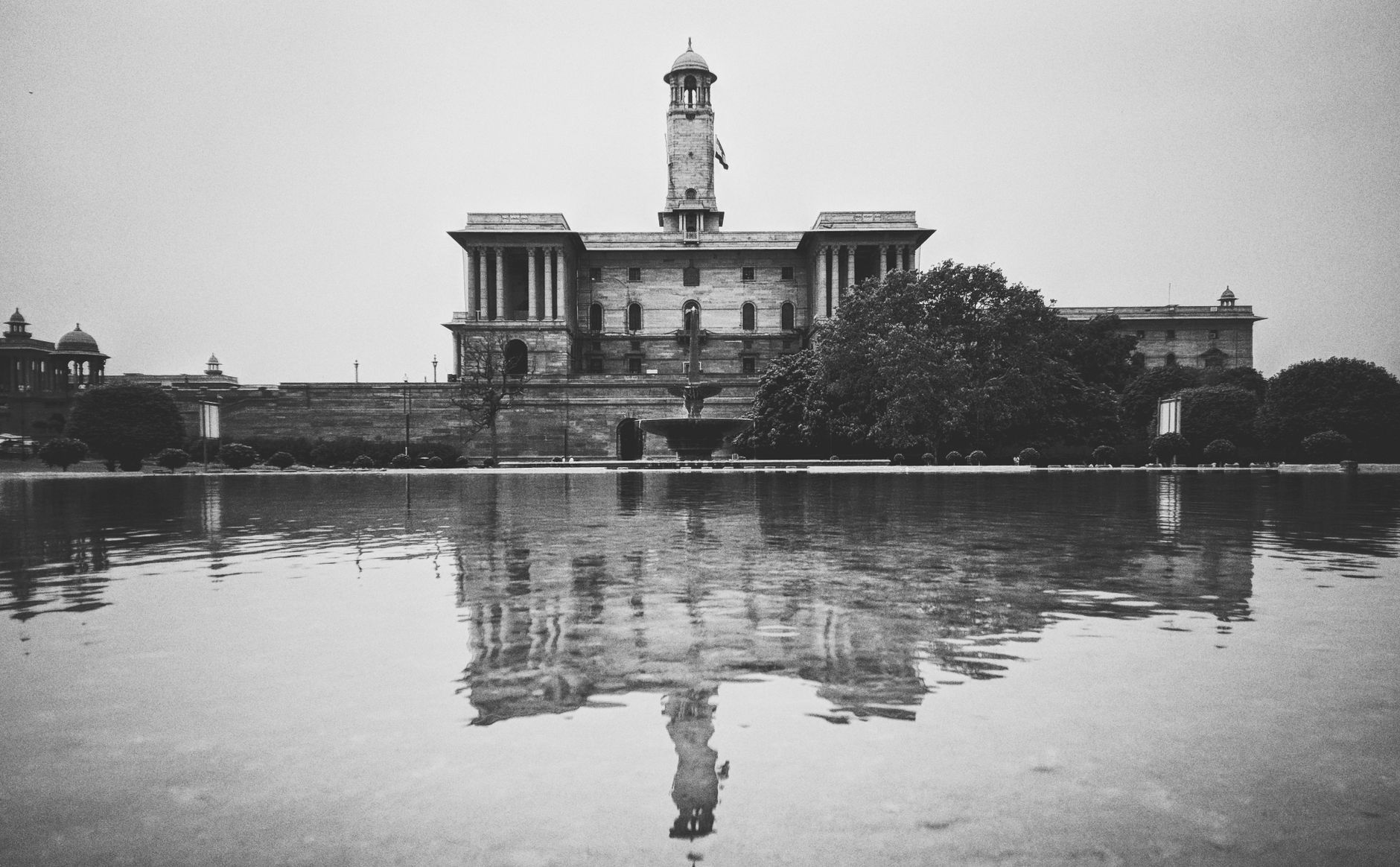
Introduction to the Dark Side of Indian Politics and Everyday Life
The nation that prides itself on being the world's largest democracy, with a diverse population of over 1.3 billion people, is not immune to the shadows of darkness that often plague its political and social landscapes. India, a country known for its vibrant culture, rich history, and steadfast resilience, occasionally finds itself entangled in a web of controversies and incidents that expose the murkier aspects of its societal fabric. From the realm of politics to the everyday life of its citizens, India has witnessed its fair share of shocking incidents that unveil the darker side of human nature and societal ethos.
The Hitler Comment: A Reflection of Deeper Issues
In a shocking display of political rhetoric gone awry, a comment likening a political opponent to Hitler sparked widespread controversy and outrage. Revanth Reddy's remark, although later regretted, brought to the forefront the oftentimes divisive and inflammatory nature of political discourse in India. This incident is not an isolated case but rather symptomatic of a broader disease that affects the political atmosphere, where personal attacks and inflammatory language are increasingly becoming the norm. Such comments not only reflect poorly on the individuals making them but also contribute to a coarsening of political culture, undermining the civility and decorum that democratic dialogue should ideally embody.
The DU Professor Murder Case: A Chilling Reminder of Violence
In another stark reminder of the violence that pervades Indian society, the murder of a Delhi University professor sent shockwaves across the nation. This incident, like many others of its kind, highlights the alarming levels of intolerance and aggression that are increasingly becoming embedded in the social fabric of India. The ease with which violence is resorted to, often over trivial matters or ideological differences, points to a deep-seated problem of societal aggression and a breakdown in community relations. Such incidents challenge the very foundations of a harmonious and peaceful coexistence, values that are essential for the well-being and progress of any society.
Everyday Violence and Intolerance
Beyond the headlines that make national news, there are countless incidents of violence, intolerance, and discrimination that occur in the everyday lives of Indians. From caste-based violence and gender discrimination to religious intolerance and regional biases, the spectrum of social evils is broad and pervasive. These issues are not confined to any particular section of society but cut across all demographics, affecting people from all walks of life. The normalization of such behaviors and attitudes within certain segments of society is particularly alarming, as it indicative of a societal failure to uphold the principles of equality, justice, and human dignity.
The Role of Media and Public Discourse
The media, often referred to as the fourth pillar of democracy, plays a crucial role in shaping public discourse and influencing societal attitudes. However, the sensationalization of news and the pursuit of ratings can sometimes lead to a skewed representation of reality, further exacerbating social tensions and reinforcing negative stereotypes. The proliferation of social media has added a new dimension to this challenge, where misinformation and hate speech can spread like wildfire, contributing to a toxic public discourse. It is essential for the media and social media platforms to adopt a responsible and ethical approach to reporting and content moderation, recognizing the significant impact they have on shaping public opinion and societal norms.
###Conclusion: Towards a More Inclusive and Tolerant Society The incidents and issues highlighted here are a stark reminder of the darker aspects of Indian society and politics. However, they also present an opportunity for reflection and change. By acknowledging these problems and engaging in a honest and open dialogue, Indians can work towards creating a more inclusive, tolerant, and peaceful society. This requires a collective effort from all stakeholders, including political leaders, media professionals, educators, and ordinary citizens. By promoting values of empathy, understanding, and respect for diversity, India can overcome its current challenges and move towards a brighter, more harmonious future for all its citizens.
Related Articles
300x600
Place AdSense Code Here
Don't Miss
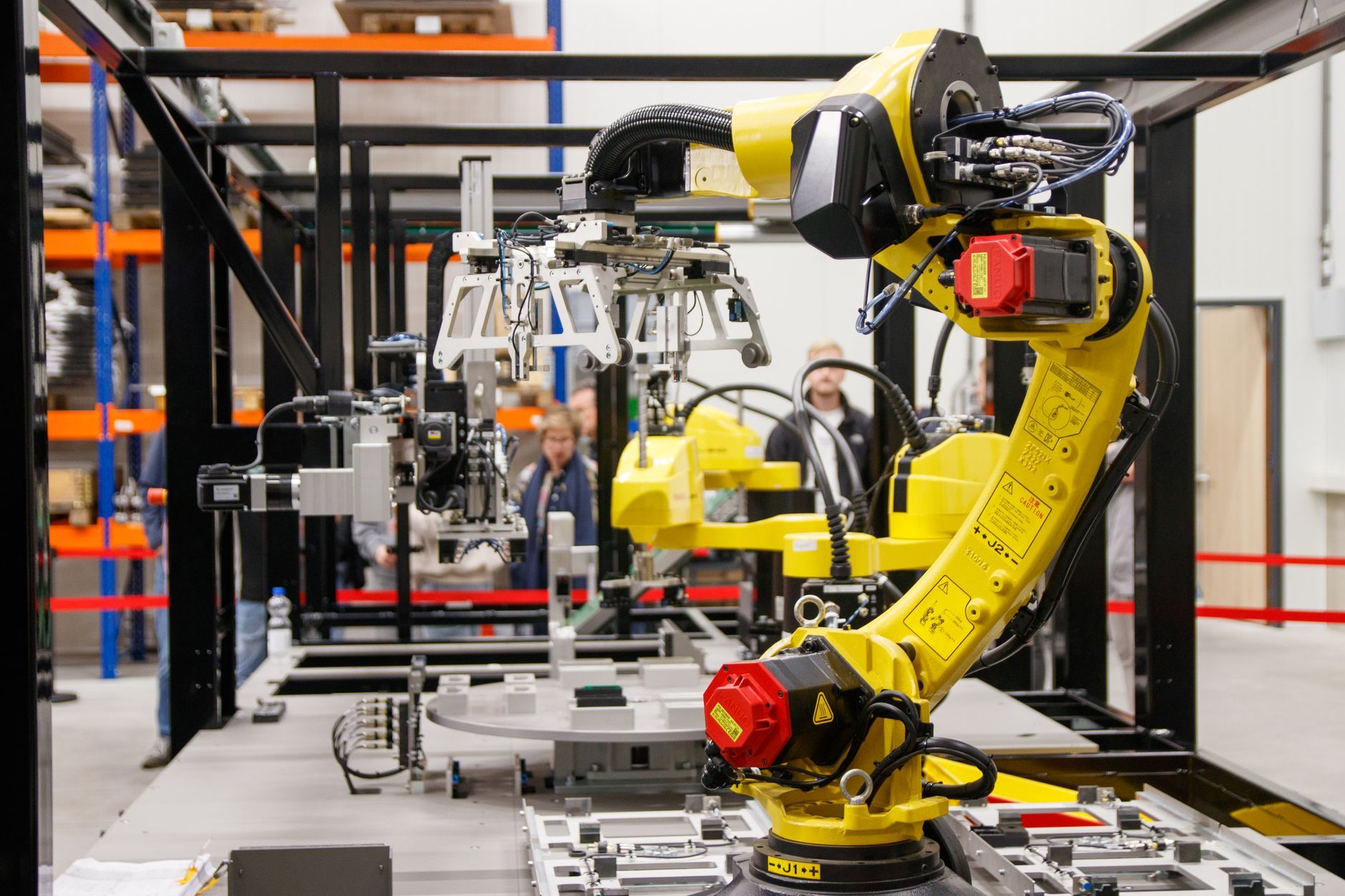
AI Taking Over: 20 Jobs That Are Most Likely to Be Replaced by Robots
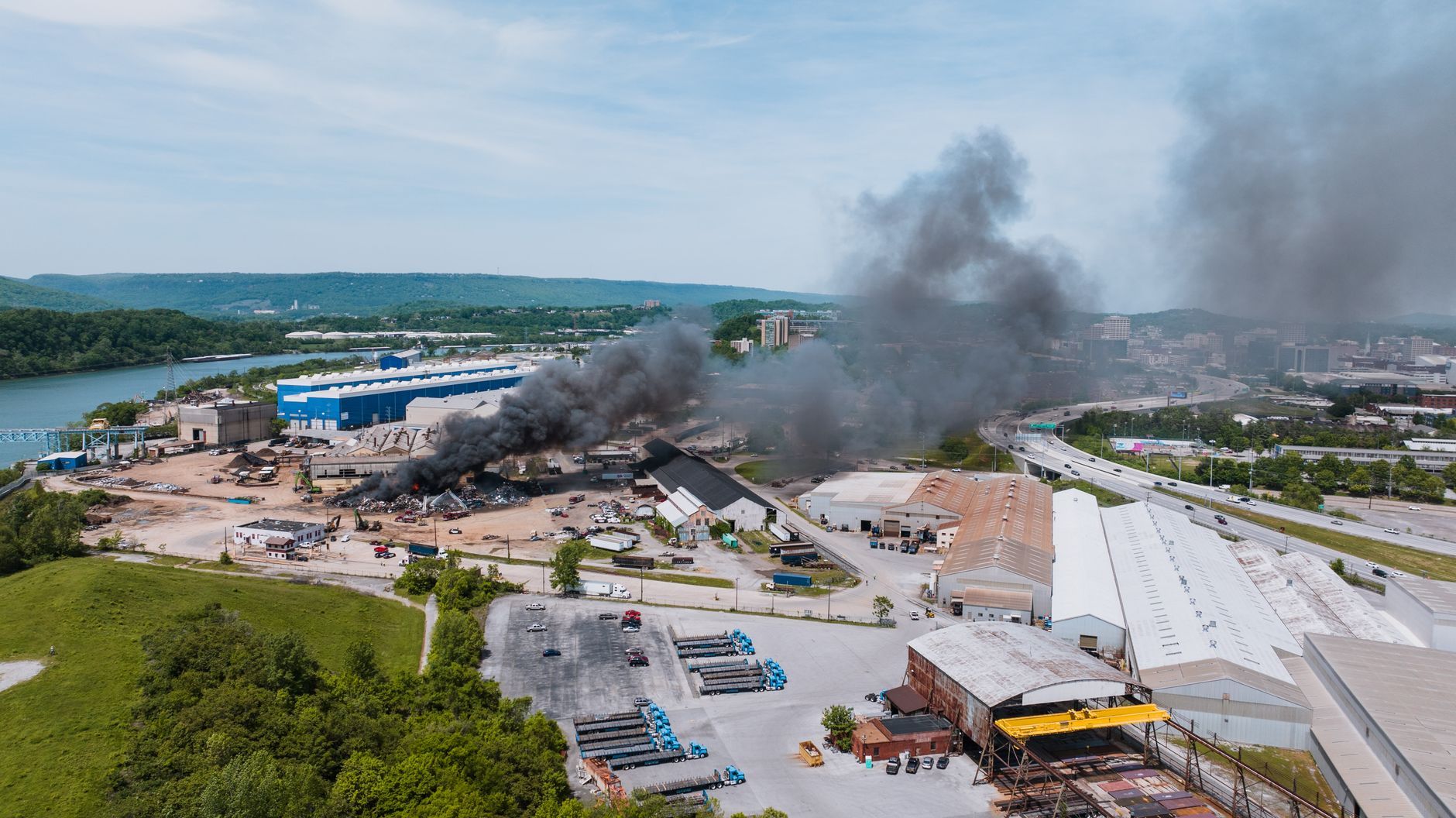
5 Worst Industrial Disasters in India: A Look Back at the Tamil Nadu Seafood Factory Tragedy
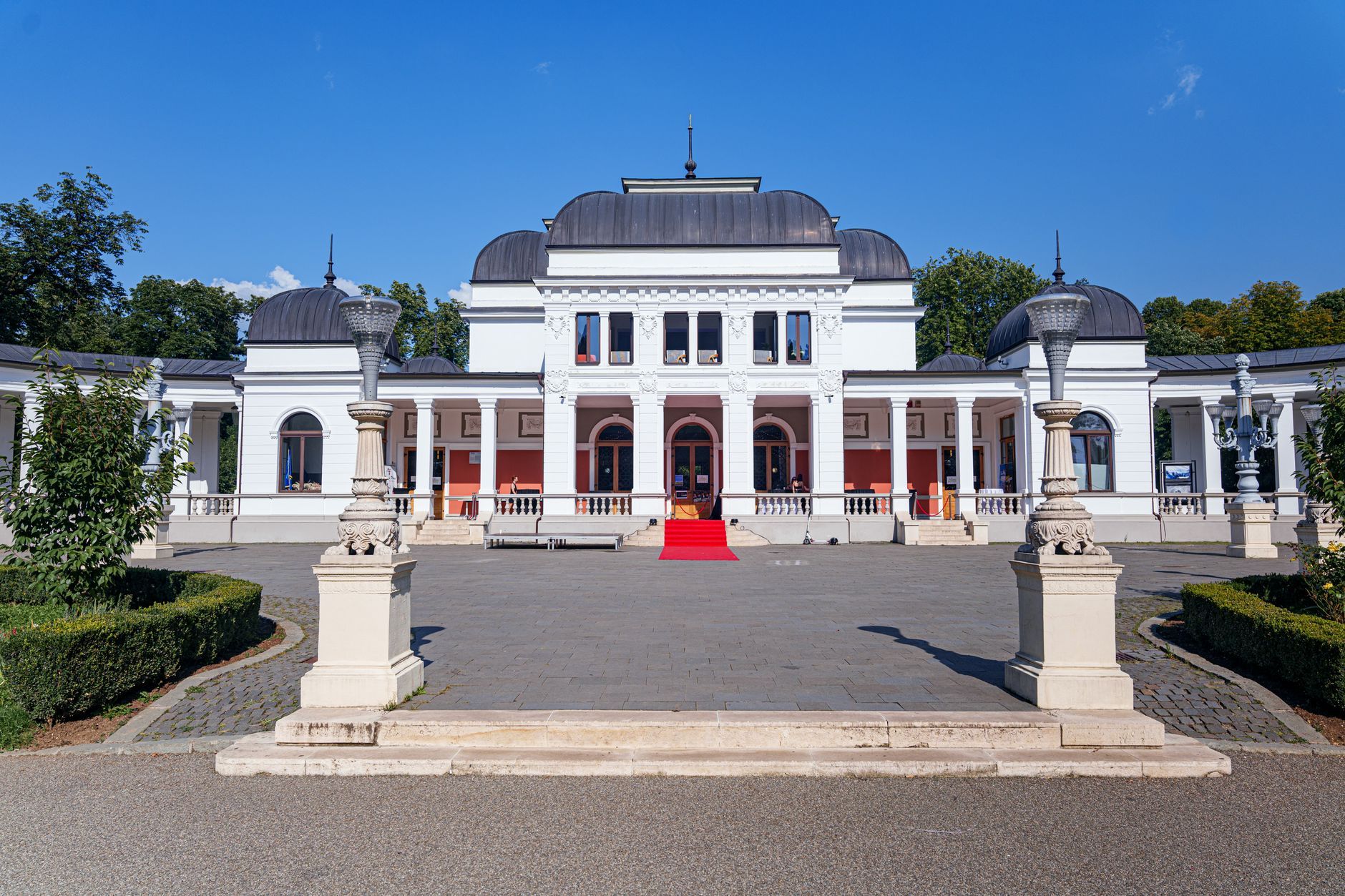
The Big Winners of Transilvania Film Festival: You Won't Guess Which Movies Took Home the Top Prizes!
300x250
Place AdSense Code Here