INDIA ON HIGH ALERT: How the Iran-US Conflict Could Impact Our Country
The Iran-US conflict has the potential to significantly impact India's national security, economy, and international relations, and the government needs to take steps to mitigate the impact of the conflict. India needs to diversify its energy sources
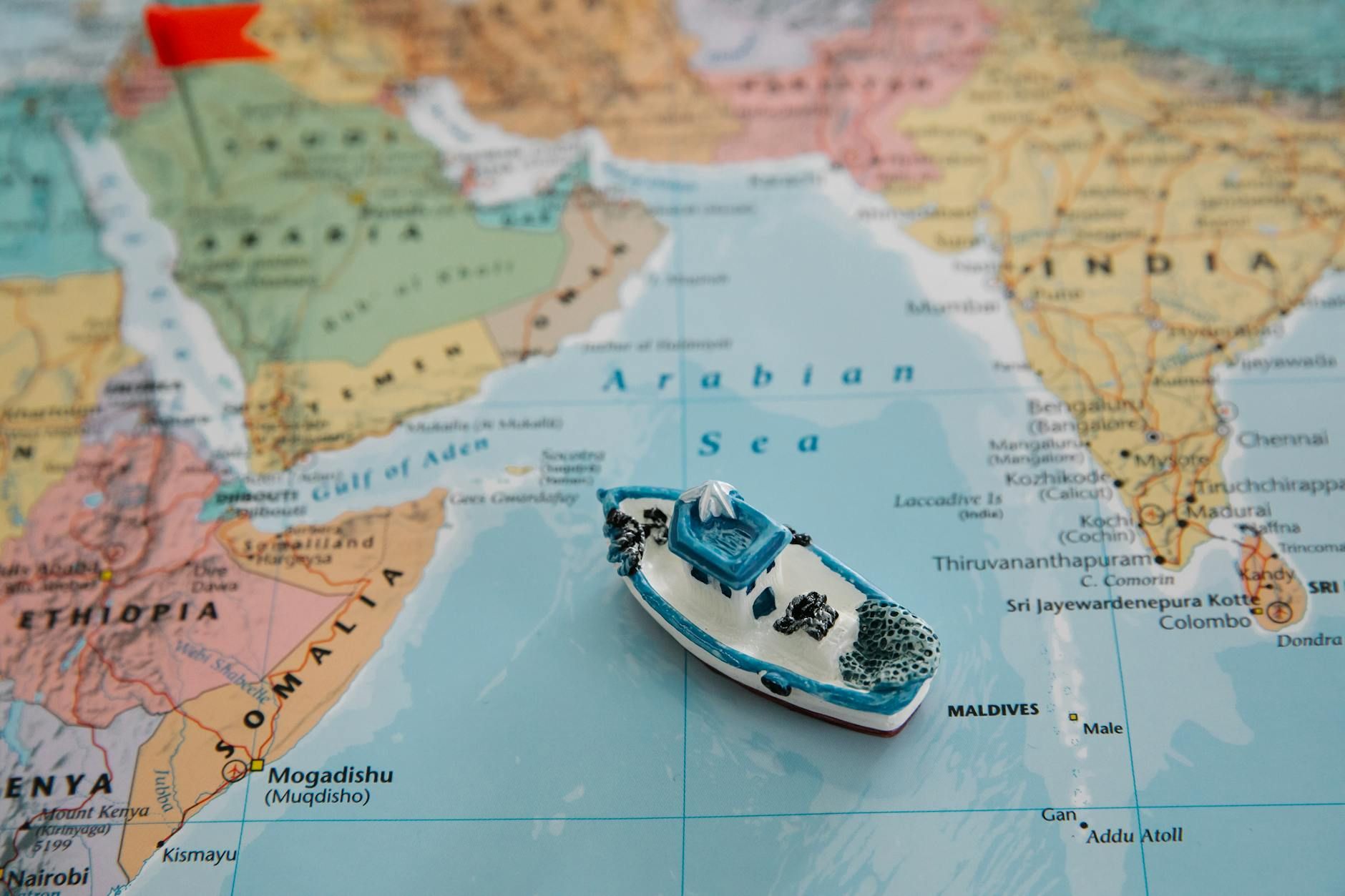
Introduction to the Iran-US Conflict
The recent escalation of tensions between Iran and the US has sent shockwaves across the globe, and India is no exception. As a major player in the global economy and a significant consumer of oil, India's national security, economy, and international relations are all at risk of being impacted by the conflict. In this article, we will assess the potential consequences of the Iran-US conflict on India and explore the possible implications for the country.
Background of the Conflict
The Iran-US conflict has its roots in the US withdrawal from the Joint Comprehensive Plan of Action (JCPOA), also known as the Iran nuclear deal, in 2018. The US imposed severe economic sanctions on Iran, which led to a significant decline in Iran's economy. In response, Iran began to escalate its military activities in the region, including the targeting of oil tankers and the downing of a US drone. The US responded with a drone strike that killed top Iranian military commander Qasem Soleimani, leading to a significant escalation of tensions between the two countries.
Impact on India's National Security
The Iran-US conflict poses a significant threat to India's national security. The conflict has the potential to destabilize the entire Middle East region, which could have a ripple effect on India's relations with other countries in the region. India has significant economic and strategic interests in the Middle East, and any disruption to the region's stability could have a negative impact on India's national security. Furthermore, the conflict could also lead to an increase in terrorism and extremist activities in the region, which could have a direct impact on India's internal security.
According to a report by the Atlantic Council, the Iran-US conflict has the potential to lead to a wider regional conflict, which could draw in other countries, including India. The report states that "the conflict could lead to a broader regional war, drawing in countries such as Saudi Arabia, the United Arab Emirates, and Israel, and potentially even India and Pakistan." This highlights the need for India to be cautious and prepared for any eventuality.
Impact on India's Economy
The Iran-US conflict also has the potential to significantly impact India's economy. India is a major importer of oil, and any disruption to oil supplies from the Middle East could have a significant impact on India's economy. The conflict has already led to an increase in oil prices, which could have a negative impact on India's trade deficit and current account deficit. Furthermore, the conflict could also lead to a decline in investor confidence, which could have a negative impact on India's economic growth.
According to a report by CNBC, a blockade of the Strait of Hormuz, which is a critical waterway for oil exports, could lead to a significant increase in oil prices. The report states that "a blockade of the Strait of Hormuz could lead to a price spike of up to $100 per barrel, which would have a devastating impact on the global economy." This highlights the need for India to diversify its energy sources and reduce its dependence on oil imports from the Middle East.
Impact on India's International Relations
The Iran-US conflict also has the potential to significantly impact India's international relations. India has significant diplomatic and economic relations with both Iran and the US, and the conflict could put India in a difficult position. India has been trying to maintain good relations with both countries, but the conflict could make it difficult for India to do so.
According to a report by The Times of India, the Indian government has been warned by the Ministry of Home Affairs (MHA) to be prepared for any eventuality. The report states that "the MHA has alerted all states to be prepared for any eventuality, including a possible increase in terrorism and extremist activities." This highlights the need for India to be cautious and prepared for any eventuality.
Conclusion
In conclusion, the Iran-US conflict has the potential to significantly impact India's national security, economy, and international relations. The conflict has the potential to destabilize the entire Middle East region, which could have a ripple effect on India's relations with other countries in the region. India needs to be cautious and prepared for any eventuality, and the government needs to take steps to mitigate the impact of the conflict on India's economy and national security.
Prime Minister Narendra Modi has warned of a prolonged disruption to the global economy due to the conflict. In a recent speech in the Rajya Sabha, Modi stated that "the conflict has the potential to lead to a prolonged disruption to the global economy, and India needs to be prepared for any eventuality." This highlights the need for India to be proactive and take steps to mitigate the impact of the conflict on India's economy and national security.
The Indian industry is also being impacted by the conflict, with rising oil prices and LPG issues being major concerns. According to a report by The Times of India, the conflict has already led to an increase in oil prices, which could have a negative impact on India's trade deficit and current account deficit. The report states that "the conflict has already led to an increase in oil prices, which could have a negative impact on India's trade deficit and current account deficit." This highlights the need for India to diversify its energy sources and reduce its dependence on oil imports from the Middle East.
Recommendations
To mitigate the impact of the conflict on India's economy and national security, the government needs to take several steps. Firstly, the government needs to diversify India's energy sources and reduce its dependence on oil imports from the Middle East. This could involve increasing investment in renewable energy sources, such as solar and wind power, and reducing India's reliance on fossil fuels.
Secondly, the government needs to take steps to improve India's relations with other countries in the region. This could involve increasing diplomatic engagement with countries such as Saudi Arabia, the United Arab Emirates, and Israel, and improving economic cooperation with these countries.
Thirdly, the government needs to take steps to improve India's national security. This could involve increasing investment in India's defense sector, and improving India's military capabilities. The government also needs to take steps to improve India's internal security, by increasing investment in intelligence gathering and counter-terrorism activities.
Finally, the government needs to take steps to mitigate the impact of the conflict on India's economy. This could involve taking steps to reduce India's trade deficit and current account deficit, such as increasing exports and reducing imports. The government also needs to take steps to improve India's economic competitiveness, by improving the business environment and reducing bureaucratic hurdles.
Related Articles
300x600
Place AdSense Code Here
Don't Miss

AI Taking Over: 20 Jobs That Are Most Likely to Be Replaced by Robots
5 Worst Industrial Disasters in India: A Look Back at the Tamil Nadu Seafood Factory Tragedy

The Big Winners of Transilvania Film Festival: You Won't Guess Which Movies Took Home the Top Prizes!
300x250
Place AdSense Code Here