India's Russian Oil Goldmine: How Refiners Are Cashing In On The Global Chaos
India's increasing imports of Russian oil have presented a unique opportunity for the country's refiners to capitalize on discounted crude, generating significant profits and contributing to the country's economic growth. As the global energy landsca
Introduction to India's Russian Oil Imports
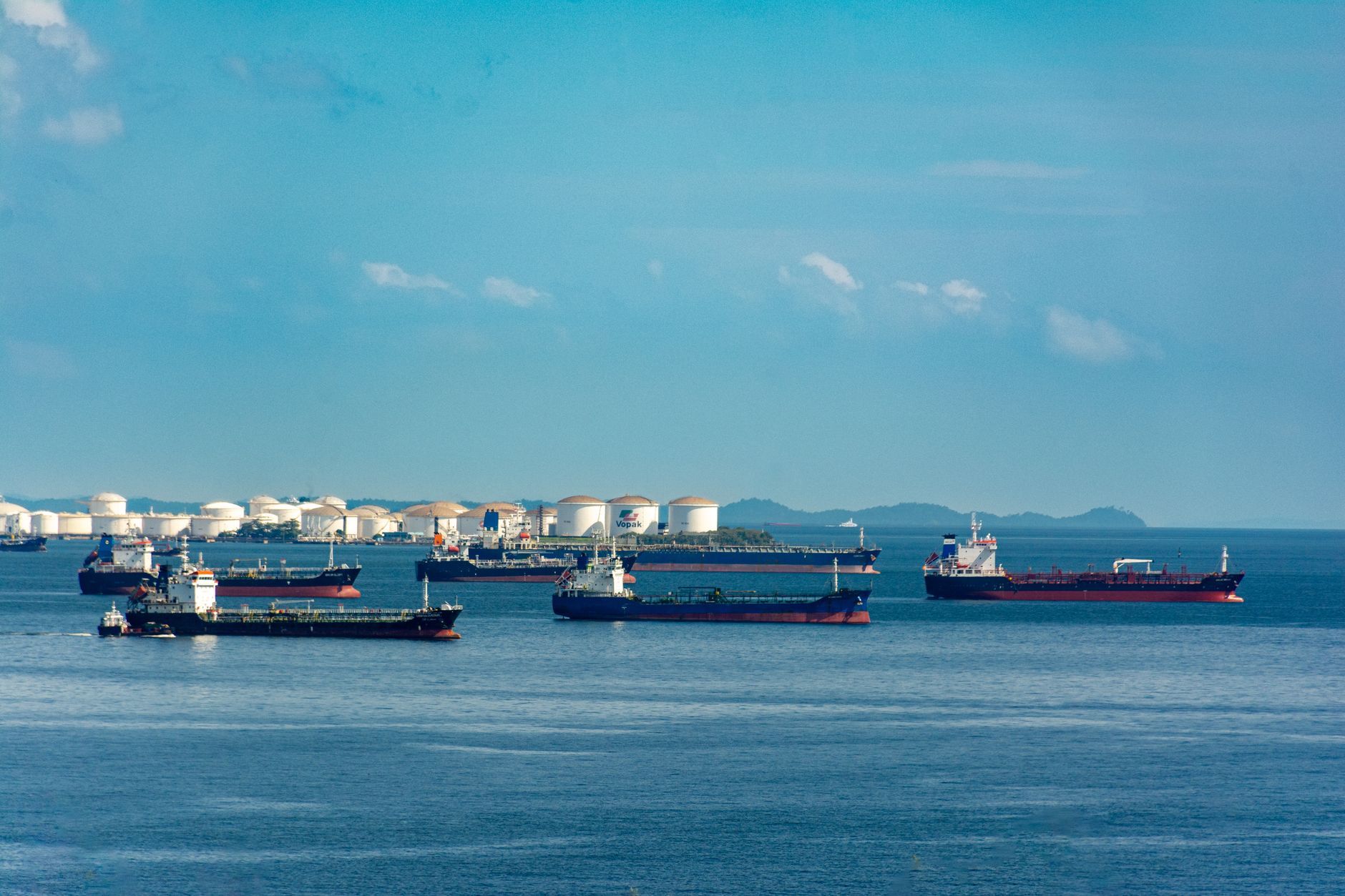
The global energy landscape has undergone a significant transformation in recent years, with the ongoing conflict between Russia and Ukraine leading to a substantial increase in India's Russian oil imports. As the world's third-largest consumer of oil, India has been actively seeking to diversify its energy sources, and the current geopolitical chaos has presented a unique opportunity for Indian refiners to capitalize on discounted Russian crude.
The Rise of Indian Refiners
Indian refiners, particularly state-owned entities such as Indian Oil Corporation (IOC) and Hindustan Petroleum Corporation (HPCL), have been at the forefront of this trend. These companies have been aggressively purchasing Russian oil, taking advantage of the discounted prices resulting from Western sanctions imposed on Russia. The imported crude is then refined and sold domestically, helping to meet the country's growing energy demands while also generating significant profits for the refiners.
Impact on the Global Market
The influx of Russian oil into India has had a profound impact on the global market, with far-reaching consequences for other major oil-consuming nations. As Indian refiners continue to purchase large quantities of discounted Russian crude, they are effectively reducing their dependence on more expensive oil from other sources, such as the Middle East and the United States. This, in turn, has led to a surplus of non-Russian oil in the global market, resulting in downward pressure on prices and altering the dynamics of the international energy trade.
Economic Benefits for India
The increased imports of Russian oil have also had a positive impact on India's economy, with the country benefiting from the discounted prices and reduced import bills. The savings resulting from these lower costs can be reinvested in other sectors, such as infrastructure development, healthcare, and education, contributing to the country's overall growth and development. Furthermore, the growth of the refining sector has also led to an increase in employment opportunities, both directly and indirectly, supporting the government's efforts to boost economic growth and reduce unemployment.
Challenges and Concerns
Despite the benefits, there are also challenges and concerns associated with India's increasing dependence on Russian oil. The country's decision to continue importing oil from Russia has been criticized by some Western nations, who view it as a contravention of the sanctions imposed on Russia. Additionally, there are concerns about the potential risks associated with relying on a single source of oil, including the impact of any future disruptions to supplies on India's energy security. The Indian government must carefully navigate these challenges, balancing the country's economic interests with its geopolitical relationships and international obligations.
Strategic Implications
The strategic implications of India's Russian oil imports are far-reaching, with significant consequences for the country's energy security and foreign policy. As India continues to diversify its energy sources, it must also ensure that its relationships with other major oil-producing nations are not compromised. The country must adopt a nuanced approach, balancing its short-term energy needs with its long-term strategic interests, and engaging in diplomatic efforts to maintain good relations with all major players in the global energy market.
Conclusion
In conclusion, India's increasing imports of Russian oil have presented a unique opportunity for the country's refiners to capitalize on discounted crude, generating significant profits and contributing to the country's economic growth. As the global energy landscape continues to evolve, India must carefully navigate the challenges and concerns associated with its dependence on Russian oil, adopting a strategic approach that balances its energy needs with its international obligations and geopolitical relationships. By doing so, the country can ensure a secure and sustainable energy future, while also maintaining its position as a major player in the global energy market.
Future Outlook
The future outlook for India's Russian oil imports is uncertain, with the ongoing conflict between Russia and Ukraine continuing to impact the global energy market. As the situation evolves, India must remain agile, adapting its energy strategy to respond to changing circumstances and emerging opportunities. The country's ability to navigate the complexities of the global energy market, while also ensuring its energy security and promoting economic growth, will be critical in determining its future success.
Key Players
The key players in India's Russian oil imports include state-owned refiners such as IOC and HPCL, as well as private sector companies such as Reliance Industries and Essar Oil. These companies have been at the forefront of the trend, aggressively purchasing Russian oil and refining it for domestic consumption. The Indian government has also played a crucial role, providing support and guidance to the refiners and facilitating the import of Russian oil.
Regulatory Framework
The regulatory framework governing India's Russian oil imports is complex, with multiple agencies and stakeholders involved. The government has established a range of policies and guidelines to regulate the import of oil, including rules related to pricing, quality, and safety. The Petroleum and Natural Gas Ministry has been actively engaged in promoting the development of the refining sector, while also ensuring that the country's energy needs are met in a sustainable and secure manner.
International Cooperation
International cooperation will be critical in determining the future of India's Russian oil imports, with the country needing to navigate a complex web of relationships with other major oil-producing and consuming nations. The Indian government has been engaged in diplomatic efforts to promote cooperation and understanding with other countries, recognizing the importance of maintaining good relationships in the global energy market. By working together with other nations, India can help to promote stability and security in the energy market, while also advancing its own economic and strategic interests.
Related Articles
300x600
Place AdSense Code Here
Don't Miss

AI Taking Over: 20 Jobs That Are Most Likely to Be Replaced by Robots

5 Worst Industrial Disasters in India: A Look Back at the Tamil Nadu Seafood Factory Tragedy

The Big Winners of Transilvania Film Festival: You Won't Guess Which Movies Took Home the Top Prizes!
300x250
Place AdSense Code Here