Modi's Epic Fail: 12 Years in PMO But Still Can't Fix India's Economy
PM Modi's 12-year tenure in the PMO has been marked by significant economic challenges, despite the promises of "acche din". The government's policies, while well-intentioned, have often been poorly implemented, leading to widespread discontent among

Introduction to India's Economic Conundrum
India, a nation with immense potential and a vast population, has been grappling with economic challenges for decades. Despite being one of the fastest-growing major economies, the country's growth trajectory has been marred by issues such as income inequality, unemployment, and sluggish GDP growth. At the helm of India's government for the past 12 years has been Prime Minister Narendra Modi, whose tenure has been a mix of both praise and criticism. This article delves into the shortcomings of PM Modi's economic policies and the reasons behind India's persistent economic woes.
The Promise of Acche Din
When PM Modi first came to power in 2014, he promised the nation "acche din" (good days), pledging to transform India into a vibrant economy with ample opportunities for all. However, 12 years into his tenure, the reality on the ground tells a different story. The much-touted "Make in India" and "Digital India" initiatives, while well-intentioned, have failed to yield the desired results. The manufacturing sector, which was expected to drive growth and create jobs, has not seen the boost it was promised, and the digital divide in the country remains significant.
The GST Conundrum
One of the most significant economic reforms undertaken by the Modi government was the introduction of the Goods and Services Tax (GST). While the intention behind GST was to simplify the tax structure and increase compliance, its implementation has been marred by controversies and challenges. The multiple tax slabs and complex compliance procedures have made it difficult for small and medium-sized enterprises (SMEs) to operate, leading to widespread discontent among traders and businessmen. The GST Council, which was expected to be a federal institution for coordinating tax policies, has often been criticized for being dominated by the central government, undermining the spirit of federalism.
Employment and Unemployment
Another area where the Modi government has faced severe criticism is its handling of the employment situation. Despite the claims of creating millions of jobs, the reality is that India's unemployment rate has been hovering at historically high levels. The lack of job opportunities, particularly in the manufacturing and construction sectors, has led to widespread discontent among the youth. The government's much-publicized startup initiatives have also failed to create the desired impact, with many startups struggling to survive due to lack of funding and regulatory challenges.
The Agricultural Crisis
Agriculture, which is the backbone of India's economy and employs a significant proportion of the population, has been facing a severe crisis. The government's policies, such as the now-repealed farm laws, have been criticized for being anti-farmer and pro-corporate. The lack of Minimum Support Price (MSP) for crops, inadequate irrigation facilities, and limited access to credit have made the life of farmers precarious. The agricultural sector, which was expected to be a key driver of growth, has been struggling to keep up with the demands of a growing population.
The Black Economy
India's black economy, which is estimated to be around 20% of the country's GDP, remains a significant challenge for the government. Despite the demonetization exercise in 2016, which was aimed at curbing black money, the problem persists. The lack of effective measures to curb tax evasion, coupled with the complex tax structure, has made it difficult to bring black money into the mainstream economy. The government's inability to tackle the black economy has resulted in a significant loss of revenue, which could have been used for development projects.
The Way Forward
As India looks to the future, it is essential to acknowledge the shortcomings of the past and work towards creating a more inclusive and sustainable economy. The government needs to undertake significant reforms to address the issues plaguing the economy, such as unemployment, income inequality, and the agricultural crisis. The focus should be on creating a business-friendly environment, simplifying tax structures, and increasing investment in human capital. Only then can India realize its true potential and become a vibrant economy that provides opportunities for all.
Conclusion
In conclusion, PM Modi's 12-year tenure in the PMO has been marked by significant economic challenges. Despite the promises of "acche din," the reality on the ground is far from rosy. The government's policies, while well-intentioned, have often been poorly implemented, leading to widespread discontent among various sections of society. As India looks to the future, it is essential to learn from the past and work towards creating a more inclusive and sustainable economy.
Related Articles
300x600
Place AdSense Code Here
Don't Miss
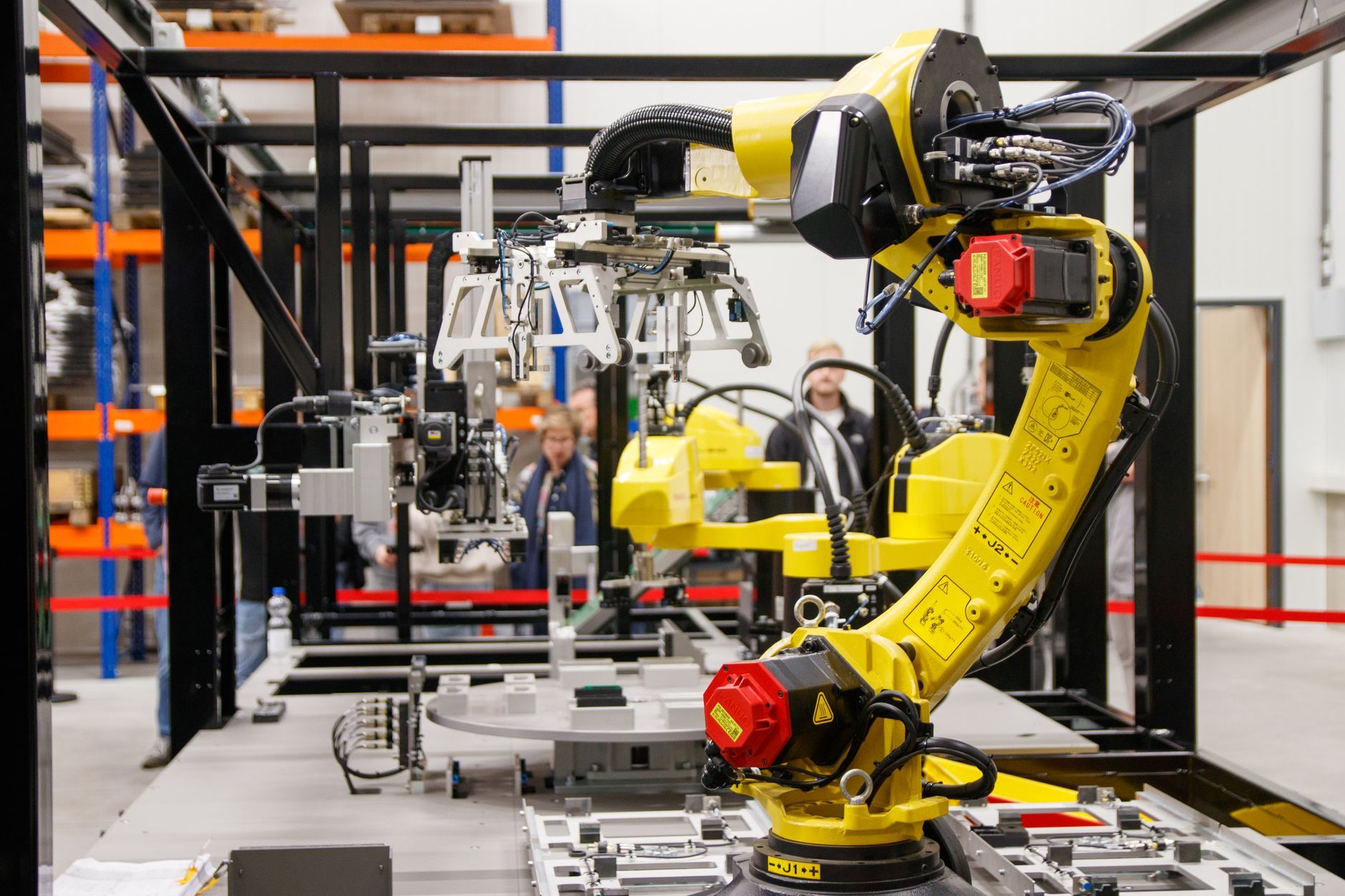
AI Taking Over: 20 Jobs That Are Most Likely to Be Replaced by Robots

5 Worst Industrial Disasters in India: A Look Back at the Tamil Nadu Seafood Factory Tragedy

The Big Winners of Transilvania Film Festival: You Won't Guess Which Movies Took Home the Top Prizes!
300x250
Place AdSense Code Here