Nestle India Maggi Recall
The Maggi controversy was a significant event in the Indian food industry, exposing vulnerabilities in the system and highlighting the importance of consumer safety and trust. Nestle India's response to the allegations and its efforts to regain consu
Introduction to the Maggi Controversy
The Indian food industry witnessed a significant shake-up with the emergence of the Maggi controversy, a scandal that would test the resilience of one of the world's most recognized brands, Nestle, in a crucial market. At the heart of the controversy was the allegation of excessive lead content in Maggi instant noodles, a product that had become an integral part of Indian cuisine and snacks. This article delves into the details of the controversy, the allegations made against Nestle India, and the company's response to these claims, all based on an unverified account that sparked a nationwide debate.
The Allegations Against Nestle India
The controversy began with a test conducted by the Uttar Pradesh Food Safety and Drug Administration (FSDA) in 2015, which reportedly found high levels of lead and monosodium glutamate (MSG) in Maggi instant noodles. These findings were made public, leading to widespread outrage and panic among consumers. The allegations were severe: that Nestle India had been selling products that were not only harmful but also did not comply with the country's food safety regulations. The news spread like wildfire, catching the attention of both national and international media, and soon, the hashtag #MaggiBan was trending on social media platforms.
Nestle India's Response
Nestle India vehemently denied the allegations, stating that Maggi noodles were safe for consumption and complied with all food safety norms. The company pointed out that the tests conducted by the FSDA were not accurate and that their own internal tests, as well as those conducted by third-party laboratories, found the lead content to be well within the permissible limits. However, despite these assurances, the damage had already been done. Several states in India had already banned the sale of Maggi noodles, and the national food regulator, the Food Safety and Standards Authority of India (FSSAI), ordered a nationwide recall of the product.
The Aftermath
The financial impact of the controversy on Nestle India was significant. The company reported a substantial drop in sales and profits, and the brand's reputation suffered greatly. However, Nestle India took this as an opportunity to review its safety protocols and ensure that all its products met the highest standards of quality and safety. The company also embarked on a massive public relations campaign to regain consumer trust. After a series of re-tests by government-approved laboratories, Maggi noodles were eventually cleared of the allegations and allowed back on store shelves.
Regulatory Oversight and Consumer Rights
The Maggi controversy highlighted the importance of regulatory oversight in ensuring consumer safety. It showed that even the biggest brands can falter and that constant vigilance is required to protect consumer rights. The episode also underscored the power of social media in amplifying consumer voices and bringing about swift action against erring companies. In the end, the controversy led to a strengthening of food safety norms in India, with stricter regulations being put in place to prevent such incidents in the future.
Conclusion
The Maggi controversy was a watershed moment for Nestle India and the Indian food industry as a whole. It exposed vulnerabilities in the system, from testing protocols to consumer protection mechanisms. However, it also demonstrated the resilience of a brand like Nestle, which, despite facing one of its toughest challenges, managed to bounce back. The incident served as a reminder of the importance of transparency, quality control, and consumer trust in the food industry. As the Indian market continues to grow and become more discerning, companies will have to prioritize these aspects to succeed and maintain their reputation.
Related Articles
300x600
Place AdSense Code Here
Don't Miss
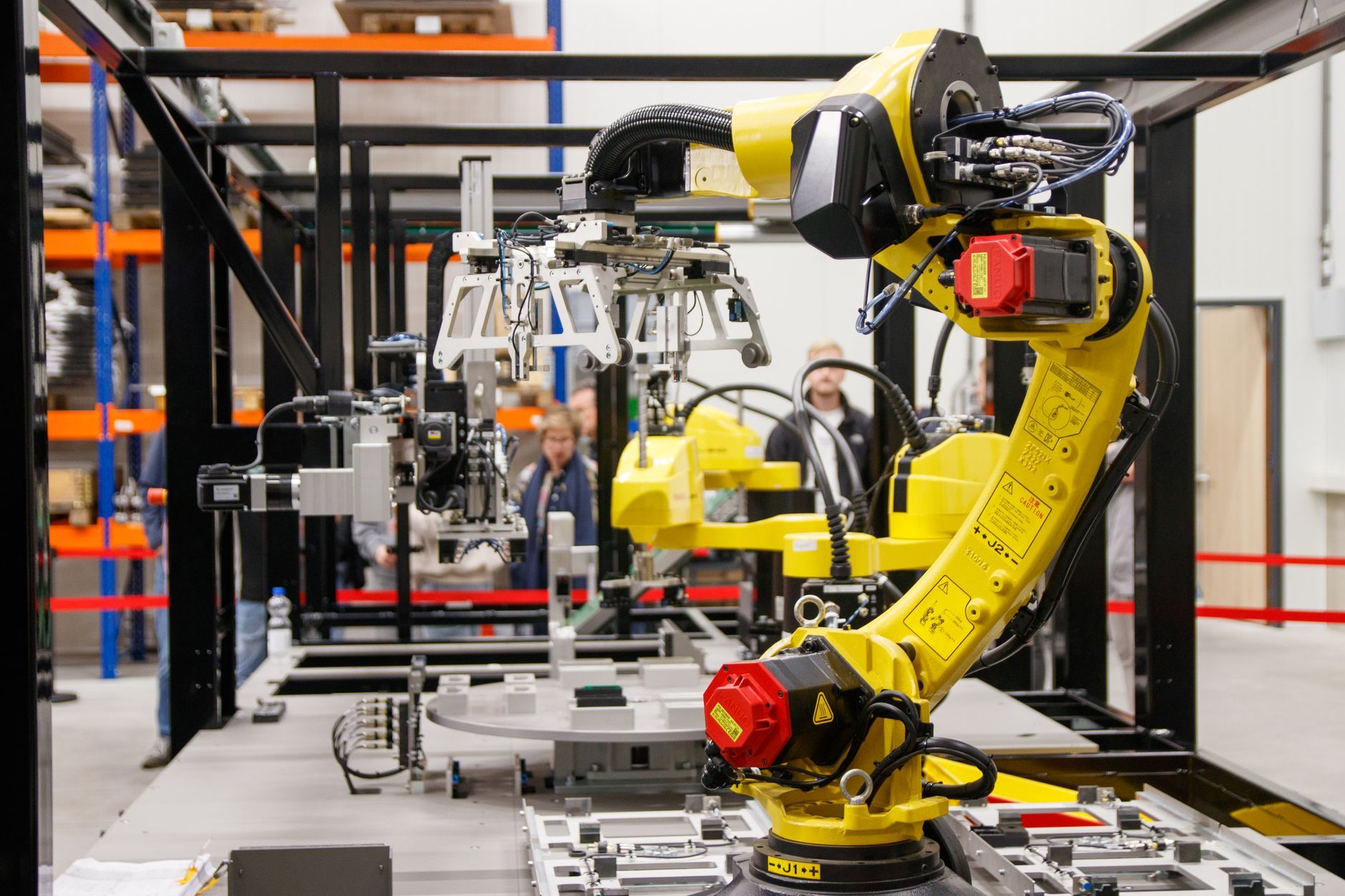
AI Taking Over: 20 Jobs That Are Most Likely to Be Replaced by Robots
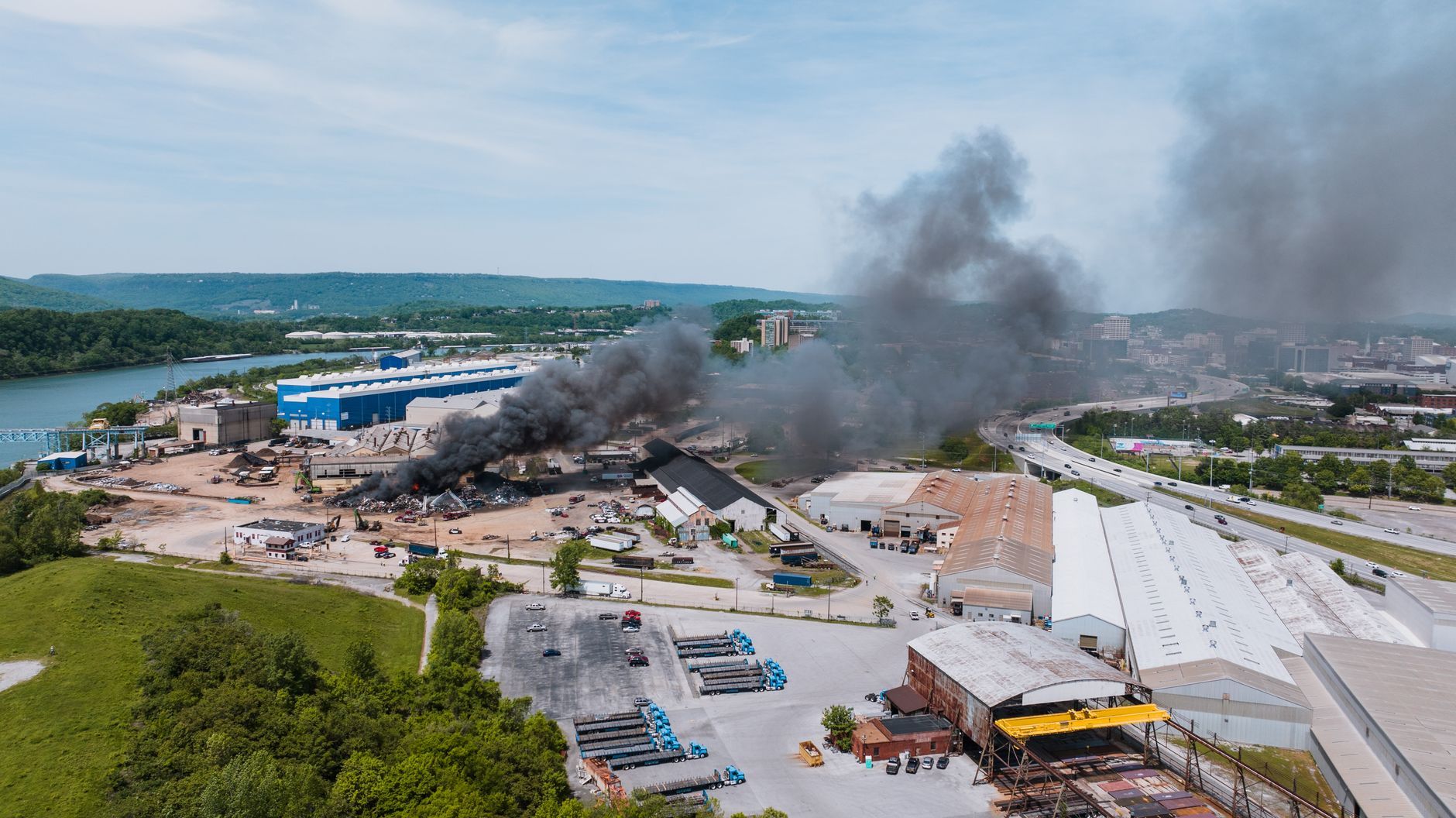
5 Worst Industrial Disasters in India: A Look Back at the Tamil Nadu Seafood Factory Tragedy

The Big Winners of Transilvania Film Festival: You Won't Guess Which Movies Took Home the Top Prizes!
300x250
Place AdSense Code Here