Sustainable Energy in India: What Tata Steel's Low-Emission Project Delays Mean for CXOs
The delays in Tata Steel's low-emission project are a setback for sustainable energy in India, but they also present an opportunity for CXOs and other stakeholders to re-evaluate their strategies and develop new approaches to overcome the challenges
Introduction to Sustainable Energy in India
India, with its vast and growing population, is facing significant challenges in meeting its energy demands while reducing its carbon footprint. The country has set ambitious targets to transition towards a more sustainable and environmentally friendly energy mix, with a focus on decarbonization to achieve a net-zero economy. One of the key players in this effort is Tata Steel, a leading steel manufacturer in India, which has been working on a low-emission project to reduce its environmental impact. However, recent delays in this project have raised concerns among CXOs (Chief Experience Officers) and other stakeholders about the feasibility of sustainable energy initiatives in the country.
Decarbonization and Net Zero Economy
Decarbonization is the process of reducing carbon emissions from various sectors, including energy, industry, and transportation. It is a critical step towards achieving a net-zero economy, where the amount of greenhouse gases emitted into the atmosphere is balanced by the amount removed. In the context of India, decarbonization is essential to mitigate the impact of climate change, improve air quality, and enhance energy security. The steel industry, in particular, is a significant contributor to carbon emissions, and companies like Tata Steel are under pressure to reduce their footprint.
Tata Steel's Low-Emission Project
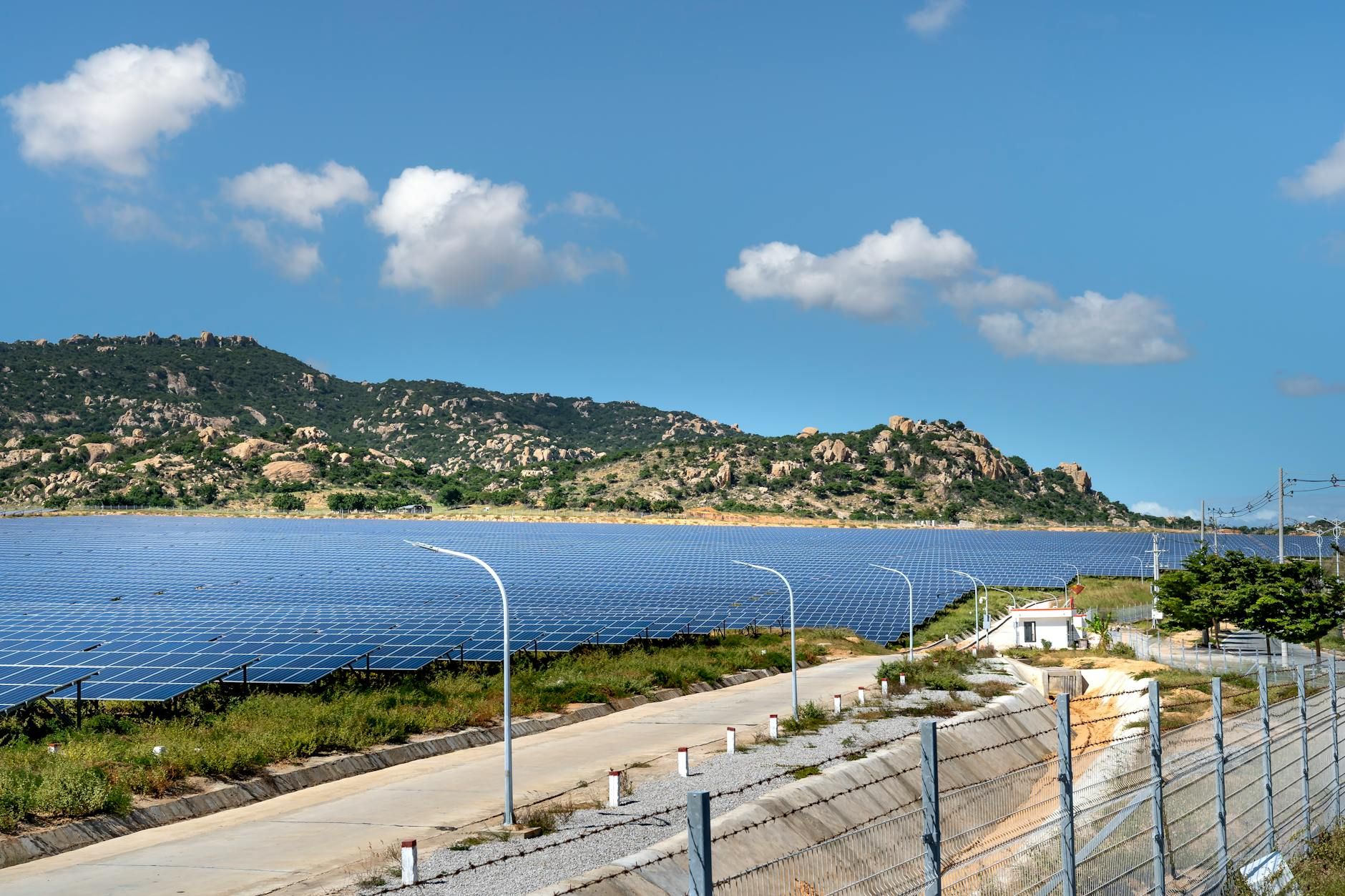
Tata Steel's low-emission project aims to reduce the company's carbon footprint by implementing new technologies and processes that minimize greenhouse gas emissions. The project involves the use of renewable energy sources, such as solar and wind power, to power its operations. Additionally, the company is exploring the use of hydrogen fuel cells and carbon capture and storage (CCS) technologies to further reduce its emissions. However, the project has faced significant delays due to various reasons, including technical challenges, regulatory hurdles, and funding issues.
Implications for CXOs
The delays in Tata Steel's low-emission project have significant implications for CXOs and other stakeholders in the Indian energy sector. Firstly, it highlights the challenges and complexities involved in transitioning to a more sustainable energy mix. CXOs must navigate these challenges and develop strategies to overcome them, including investing in new technologies, building partnerships with other companies and governments, and developing new business models. Secondly, the delays underscore the need for a more coordinated and supportive policy framework to enable the transition to a net-zero economy. CXOs must work with governments and regulators to create an environment that encourages investment in sustainable energy and reduces the risks associated with it.
Broader Implications for Sustainable Energy in India
The delays in Tata Steel's low-emission project also have broader implications for sustainable energy in India. Firstly, it highlights the need for a more comprehensive and integrated approach to sustainable energy, one that involves all stakeholders, including companies, governments, and civil society. Secondly, it underscores the importance of developing new technologies and innovations that can help reduce carbon emissions and improve energy efficiency. Finally, it emphasizes the need for greater investment in sustainable energy, including from the private sector, to support the transition to a net-zero economy.
Conclusion
In conclusion, the delays in Tata Steel's low-emission project are a setback for sustainable energy in India, but they also present an opportunity for CXOs and other stakeholders to re-evaluate their strategies and develop new approaches to overcome the challenges involved. Decarbonization is a critical step towards achieving a net-zero economy, and companies like Tata Steel are playing a vital role in this effort. However, the transition to a more sustainable energy mix will require a coordinated and supportive policy framework, significant investment in new technologies and innovations, and a commitment to reducing carbon emissions and improving energy efficiency.
Recommendations for CXOs
To support the transition to a net-zero economy, CXOs should consider the following recommendations:
- Develop a comprehensive sustainability strategy that aligns with the company's overall business goals and objectives.
- Invest in new technologies and innovations that can help reduce carbon emissions and improve energy efficiency.
- Build partnerships with other companies, governments, and civil society organizations to support the development of sustainable energy.
- Engage with regulators and policymakers to create an environment that encourages investment in sustainable energy and reduces the risks associated with it.
- Develop new business models that prioritize sustainability and decarbonization, such as product-as-a-service or energy-as-a-service models.
Future Outlook
The future of sustainable energy in India looks promising, with the government setting ambitious targets to increase the share of renewable energy in the energy mix. However, the transition to a net-zero economy will require significant investment, innovation, and coordination among all stakeholders. CXOs must play a leadership role in this effort, developing strategies and solutions that prioritize sustainability and decarbonization. By working together, we can create a more sustainable and environmentally friendly energy sector that supports the growth and development of India's economy.
Related Articles
300x600
Place AdSense Code Here
Don't Miss
AI Taking Over: 20 Jobs That Are Most Likely to Be Replaced by Robots

5 Worst Industrial Disasters in India: A Look Back at the Tamil Nadu Seafood Factory Tragedy

The Big Winners of Transilvania Film Festival: You Won't Guess Which Movies Took Home the Top Prizes!
300x250
Place AdSense Code Here