The Dark Side of Social Media: Countries That Are Banning It for Children Revealed!
Countries like Britain, Denmark, and Malaysia are banning social media for under-16s due to concerns over mental health. The ban aims to protect children from online harm.
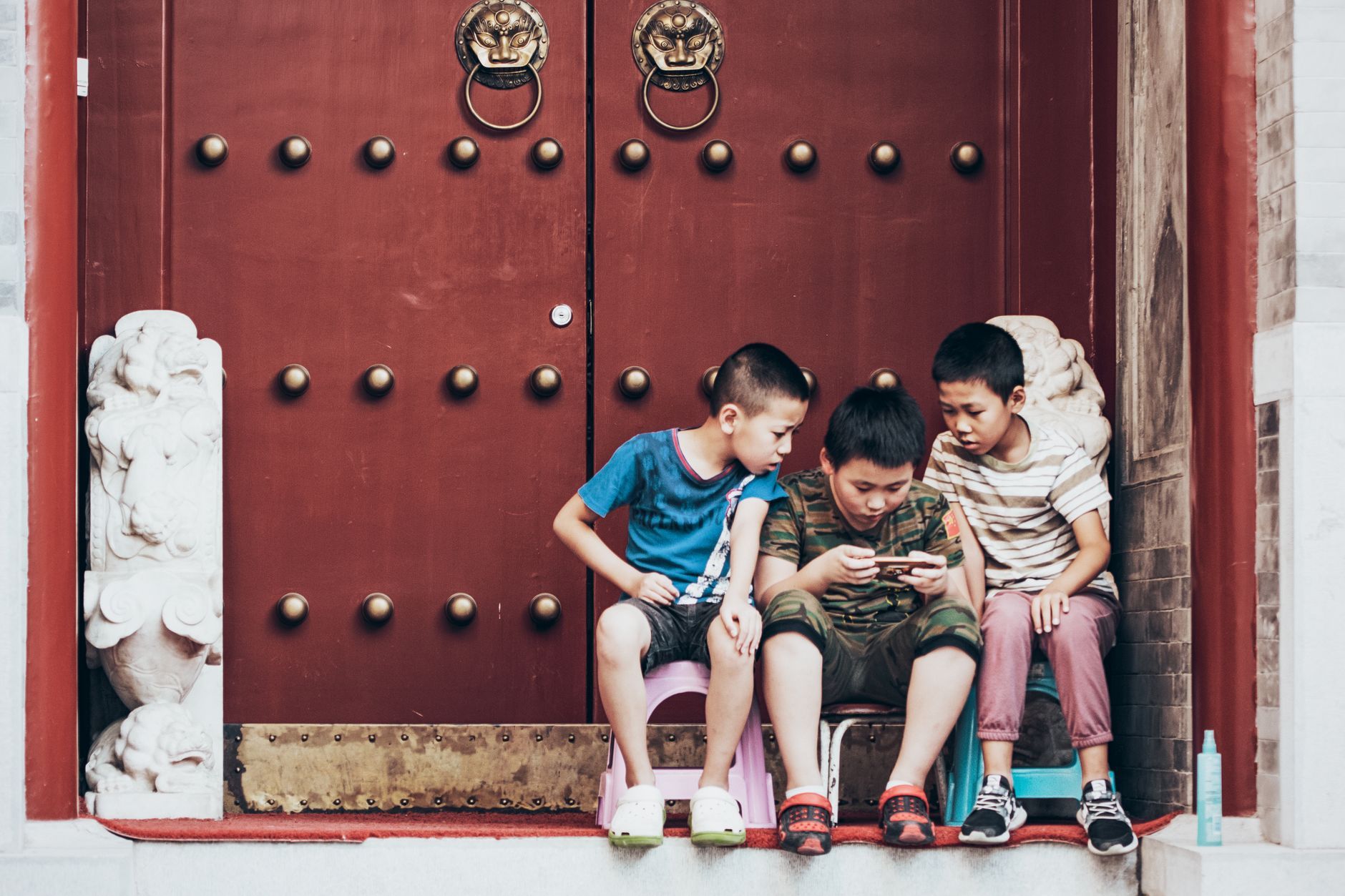
Introduction to the Social Media Conundrum
In recent years, social media has become an integral part of our daily lives, with billions of people around the world using platforms like Facebook, Twitter, and Instagram to connect with others, share their experiences, and stay updated on current events. However, there is a growing concern about the impact of social media on the mental and emotional well-being of children and adolescents. Several countries have taken notice of this issue and are now considering bans on social media for under-16s.
Britain Takes the Lead
The UK has been at the forefront of this movement, with the government unveiling a sweeping ban on social media for under-16s. This decision was made after a thorough review of the potential harms of social media on children, including cyberbullying, online harassment, and the spread of misinformation. According to a report by NBC News, the ban is expected to be implemented in the near future, with major social media platforms being required to verify the age of their users. Britain's move is seen as a significant step towards protecting children from the potential dangers of social media.
Other Countries Follow Suit
Britain is not the only country taking action against social media. Other nations, such as Denmark, Malaysia, and Greece, are also planning to introduce strict new laws that would ban social media for children under a certain age. According to a report by The Times of India, these countries are concerned about the impact of social media on the mental health and well-being of their young citizens. The proposed laws would require social media platforms to take steps to prevent children from accessing their services, including implementing age-verification measures.
The Reasoning Behind the Ban
So, why are countries banning social media for children? The answer lies in the growing body of evidence that suggests social media can have a profound impact on the mental health and well-being of young people. A report by EMJ found that more than one in three people believe that social media harms their mental health. The constant stream of information, the pressure to present a perfect online persona, and the risk of online harassment are all taking a toll on the mental health of children and adolescents. By banning social media for under-16s, countries hope to protect their young citizens from these potential harms.
Expert Opinions
Experts in the field of mental health and technology are supportive of the ban. According to a report by Onlymyhealth, UK PM is set to meet with parents who are seeking an under-16 social media ban due to the 'smoking-level' harm it causes. The report highlights the concerns of parents and experts about the impact of social media on children's mental health. Dr. Jean Twenge, a psychologist and expert on the impact of technology on mental health, has stated that social media can have a profound impact on the mental health and well-being of young people. "Social media can be a breeding ground for bullying, harassment, and other forms of online abuse," she said. "By banning social media for under-16s, countries can help protect their young citizens from these potential harms."
The Way Forward
As countries around the world consider banning social media for children, it is clear that this is a complex issue with no easy solution. While some argue that social media can have benefits for children, such as providing a platform for self-expression and socialization, others believe that the risks outweigh the benefits. As the debate continues, one thing is clear: the impact of social media on the mental health and well-being of children and adolescents must be taken seriously. By working together, governments, technology companies, and parents can help create a safer and more positive online environment for all.
Conclusion
The ban on social media for under-16s is a significant step towards protecting children from the potential dangers of social media. As countries around the world consider similar bans, it is clear that this is a complex issue that requires careful consideration. By weighing the potential benefits and risks of social media, we can work towards creating a safer and more positive online environment for all. With the help of experts, governments, and technology companies, we can help protect the mental health and well-being of our young citizens and ensure that they have a positive and healthy relationship with technology.
Related Articles
300x600
Place AdSense Code Here
Don't Miss

AI Taking Over: 20 Jobs That Are Most Likely to Be Replaced by Robots

5 Worst Industrial Disasters in India: A Look Back at the Tamil Nadu Seafood Factory Tragedy

The Big Winners of Transilvania Film Festival: You Won't Guess Which Movies Took Home the Top Prizes!
300x250
Place AdSense Code Here