The Iran War: A Wake-Up Call for India's Energy Security
India's energy security is under threat due to the Iran war, with oil prices rising to over $100 per barrel. The country needs to diversify its energy sources and reduce its dependence on imported fossil fuels to ensure energy security.
Introduction to India's Energy Security Concerns
The recent escalation of tensions in the Middle East, particularly the Iran war, has significant implications for India's energy security. As a country that imports over 80% of its crude oil, India is vulnerable to fluctuations in global oil prices. The Iran war has highlighted the need for India to diversify its energy sources and reduce its dependence on imported fossil fuels.
The Impact of the Iran War on India's Energy Sector
The Iran war has led to a significant increase in oil prices, with Brent crude oil prices rising to over $100 per barrel. This has resulted in a substantial increase in India's oil import bill, which is expected to reach $100 billion in the current fiscal year. According to a report by the Institute for Energy Economics and Financial Analysis (IEEFA), India's oil and gas crisis is a wake-up call for transport electrification. The report suggests that India needs to accelerate its transition to electric vehicles to reduce its dependence on imported oil.
India's Energy Diversification Strategy
In response to the Iran war, the Indian government has been forced to rethink its long-term energy diversification strategy. The government has set a target of reducing its dependence on imported oil to 50% by 2030. To achieve this target, India is exploring alternative energy sources, including solar, wind, and hydro power. According to a report by PSU Watch, the Iran war is reshaping India's long-term energy diversification strategy, with a focus on increasing the share of renewable energy in the country's energy mix.
The Role of Renewable Energy in India's Energy Security
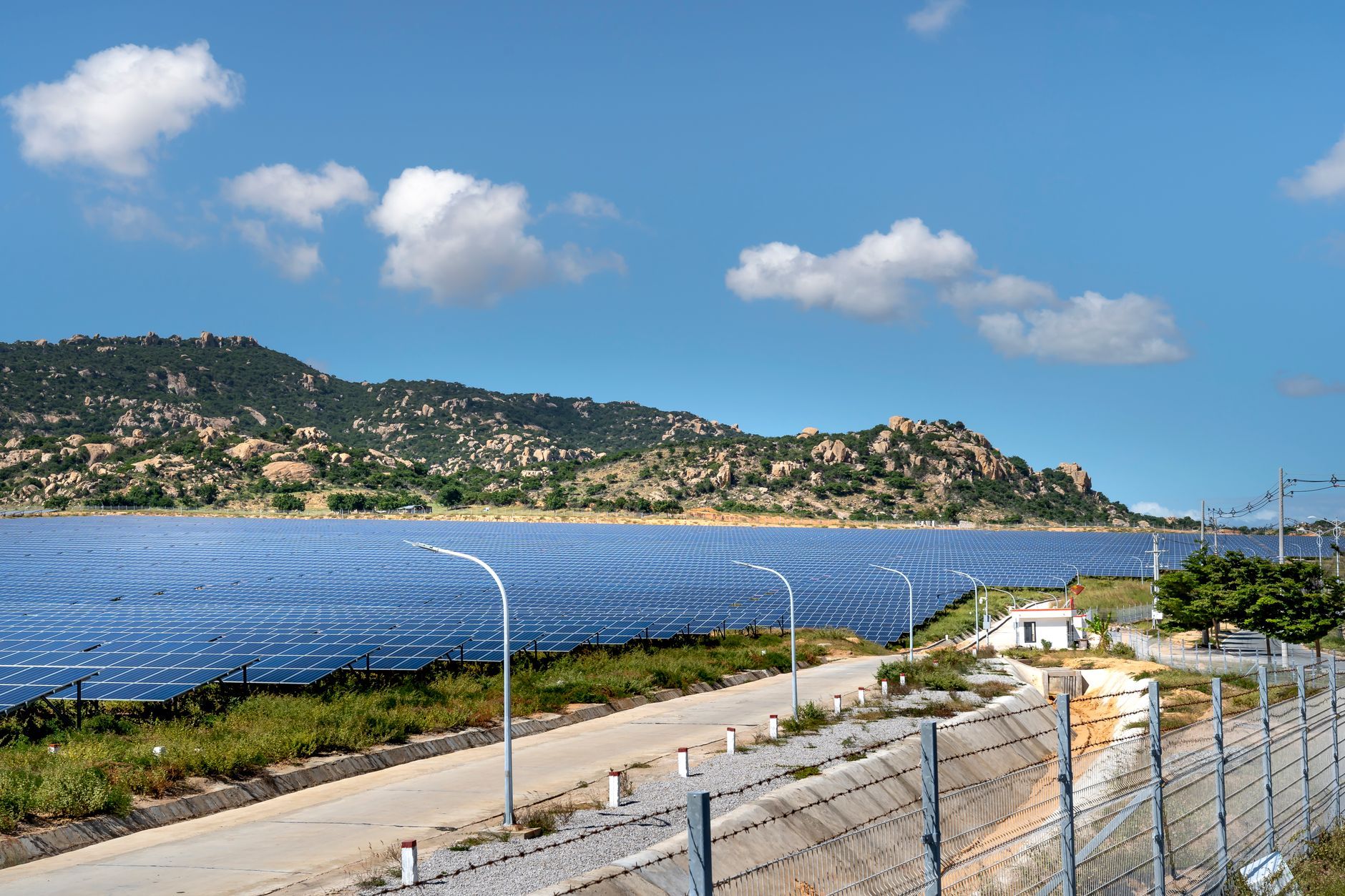
Renewable energy is expected to play a crucial role in India's energy security. The country has set a target of generating 40% of its electricity from non-fossil fuels by 2030. Solar energy, in particular, is expected to contribute significantly to India's energy security, with the government setting a target of generating 100 GW of solar power by 2022. According to a report by The Diplomat, the security imperative of India's clean energy transition is critical, with renewable energy providing a hedge against price volatility and supply disruptions.
Expert Opinions on India's Energy Security
Experts believe that the Iran war is a wake-up call for India's energy independence. According to a report by Counterview, oil prices could reach $200 per barrel if the conflict escalates, highlighting the need for India to reduce its dependence on imported oil. "The Iran war is a stark reminder of the need for India to accelerate its transition to renewable energy," said Dr. Arunabha Ghosh, CEO of the Council on Energy, Environment and Water. "India needs to invest heavily in renewable energy to reduce its dependence on imported oil and ensure energy security."
Conclusion
In conclusion, the Iran war is a wake-up call for India's energy security. The country needs to diversify its energy sources and reduce its dependence on imported fossil fuels to ensure energy security. Renewable energy, particularly solar and wind power, is expected to play a crucial role in India's energy security. The government needs to invest heavily in renewable energy and implement policies to promote the adoption of electric vehicles to reduce India's dependence on imported oil.
Related Articles
300x600
Place AdSense Code Here
Don't Miss

AI Taking Over: 20 Jobs That Are Most Likely to Be Replaced by Robots

5 Worst Industrial Disasters in India: A Look Back at the Tamil Nadu Seafood Factory Tragedy

The Big Winners of Transilvania Film Festival: You Won't Guess Which Movies Took Home the Top Prizes!
300x250
Place AdSense Code Here