India Supertall Building Development
India's supertall buildings are being held back by a complex array of challenges, including regulatory hurdles, infrastructure and logistics constraints, and financial constraints. To overcome these challenges, the Indian government and the construct
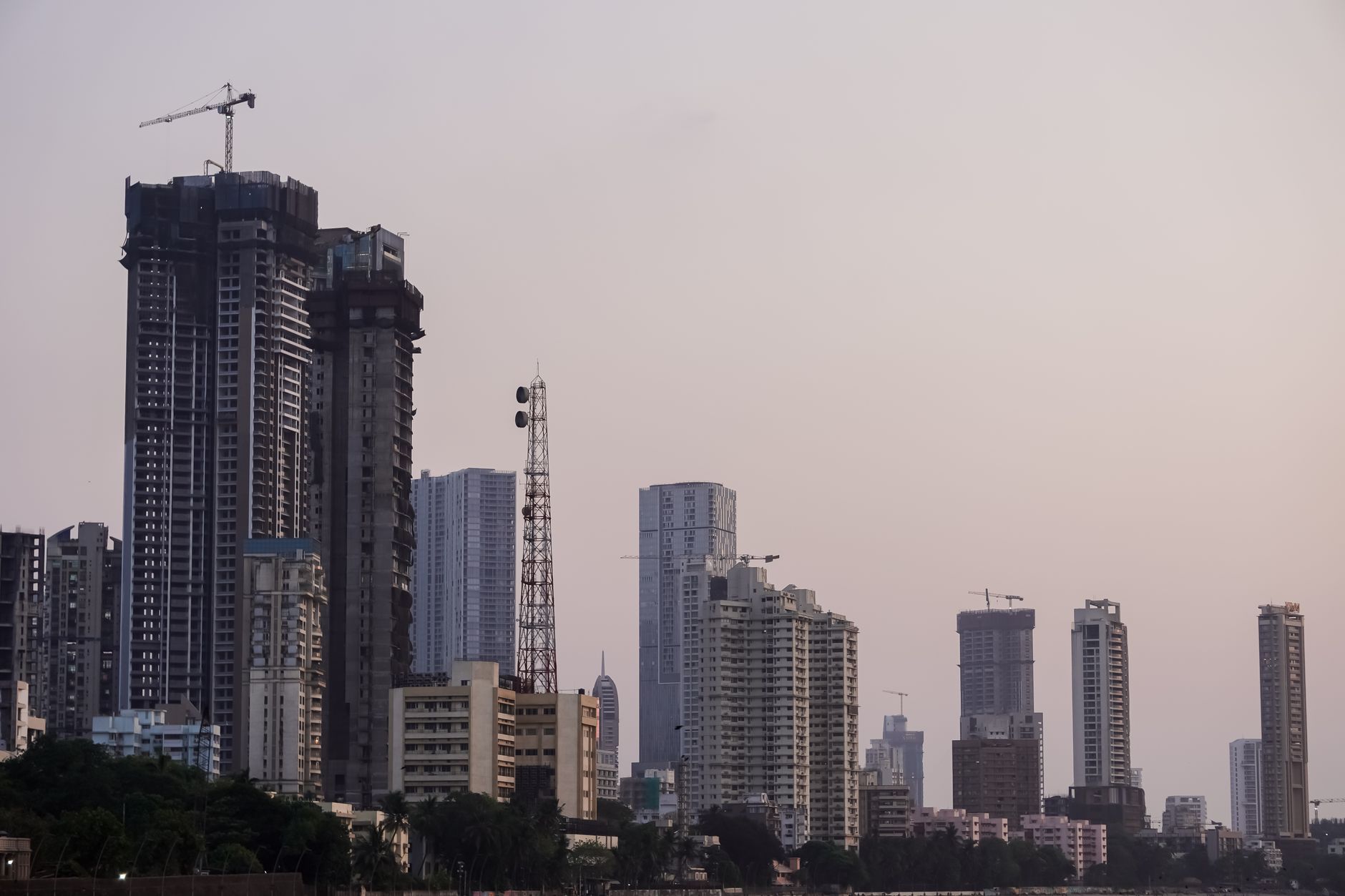
Introduction to India's Supertall Ambitions
India, with its rapidly growing economy and urbanizing population, has been striving to make its mark on the global skyline with supertall buildings. However, despite the country's ambitions, the construction of these megastructures has been hindered by several challenges. In recent years, India has seen a surge in the development of high-rise buildings, with cities like Mumbai, Delhi, and Bengaluru leading the way. Nevertheless, when it comes to supertall buildings, defined as structures that exceed 300 meters in height, India still lags behind other countries like China, the United States, and the UAE.
Regulatory Hurdles
One of the primary reasons why India's supertall buildings are being held back is the complex and often cumbersome regulatory framework. The construction of supertall buildings requires a plethora of approvals and clearances from various government agencies, including the Ministry of Environment, Forest and Climate Change, the Ministry of Civil Aviation, and the local municipal authorities. This lengthy and bureaucratic process can delay projects by several years, making it challenging for developers to secure funding and stay within budget. Furthermore, the lack of a single-window clearance system and the absence of a unified building code for supertall structures add to the complexity and uncertainty of the regulatory environment.
Infrastructure and Logistics
Another significant challenge facing India's construction industry is the inadequate infrastructure and logistics. The transportation of heavy construction equipment and materials to construction sites in densely populated cities can be a nightmare, leading to delays and increased costs. Moreover, the lack of suitable construction technology and equipment can hinder the building process, making it difficult to meet the stringent safety and quality standards required for supertall structures. The dearth of skilled labor and specialized contractors with experience in building supertall structures is another concern, as it can compromise the quality and safety of the construction process.
Financial Constraints
The construction of supertall buildings is a capital-intensive endeavor that requires significant investment and funding. However, the Indian construction industry faces several financial constraints, including high interest rates, limited access to credit, and the lack of investment from foreign investors. The high cost of land acquisition, construction materials, and labor can make it challenging for developers to secure funding and stay within budget. Furthermore, the absence of a robust and deep capital market in India can limit the availability of funding options for developers, making it difficult to finance large-scale projects like supertall buildings.
Environmental and Social Concerns
India's supertall buildings are also being held back by environmental and social concerns. The construction of tall structures can have a significant impact on the local environment, including the destruction of natural habitats, the disruption of natural water cycles, and the increase in air pollution. Additionally, the construction of supertall buildings can also lead to social concerns, such as the displacement of local communities, the increase in traffic congestion, and the strain on local infrastructure. The lack of effective planning and mitigation strategies can exacerbate these concerns, making it challenging to secure approvals and clearances for supertall projects.
Technological Limitations
The construction of supertall buildings requires cutting-edge technology and innovative engineering solutions. However, India's construction industry faces several technological limitations, including the lack of advanced construction materials, the limited availability of specialized equipment, and the shortage of skilled engineers and technicians. The absence of a strong research and development ecosystem in India can also limit the availability of innovative solutions and technologies required for building supertall structures. Furthermore, the high cost of importing advanced technologies and materials can make it challenging for developers to stay within budget.
Conclusion
In conclusion, India's supertall buildings are being held back by a complex array of challenges, including regulatory hurdles, infrastructure and logistics constraints, financial constraints, environmental and social concerns, and technological limitations. To overcome these challenges, the Indian government and the construction industry must work together to create a conducive environment for the development of supertall structures. This can be achieved by streamlining the regulatory framework, investing in infrastructure and logistics, providing funding and financing options, addressing environmental and social concerns, and promoting research and development in construction technology. By addressing these challenges, India can unlock its potential to build supertall structures that can rival the tallest buildings in the world.
Related Articles
300x600
Place AdSense Code Here
Don't Miss
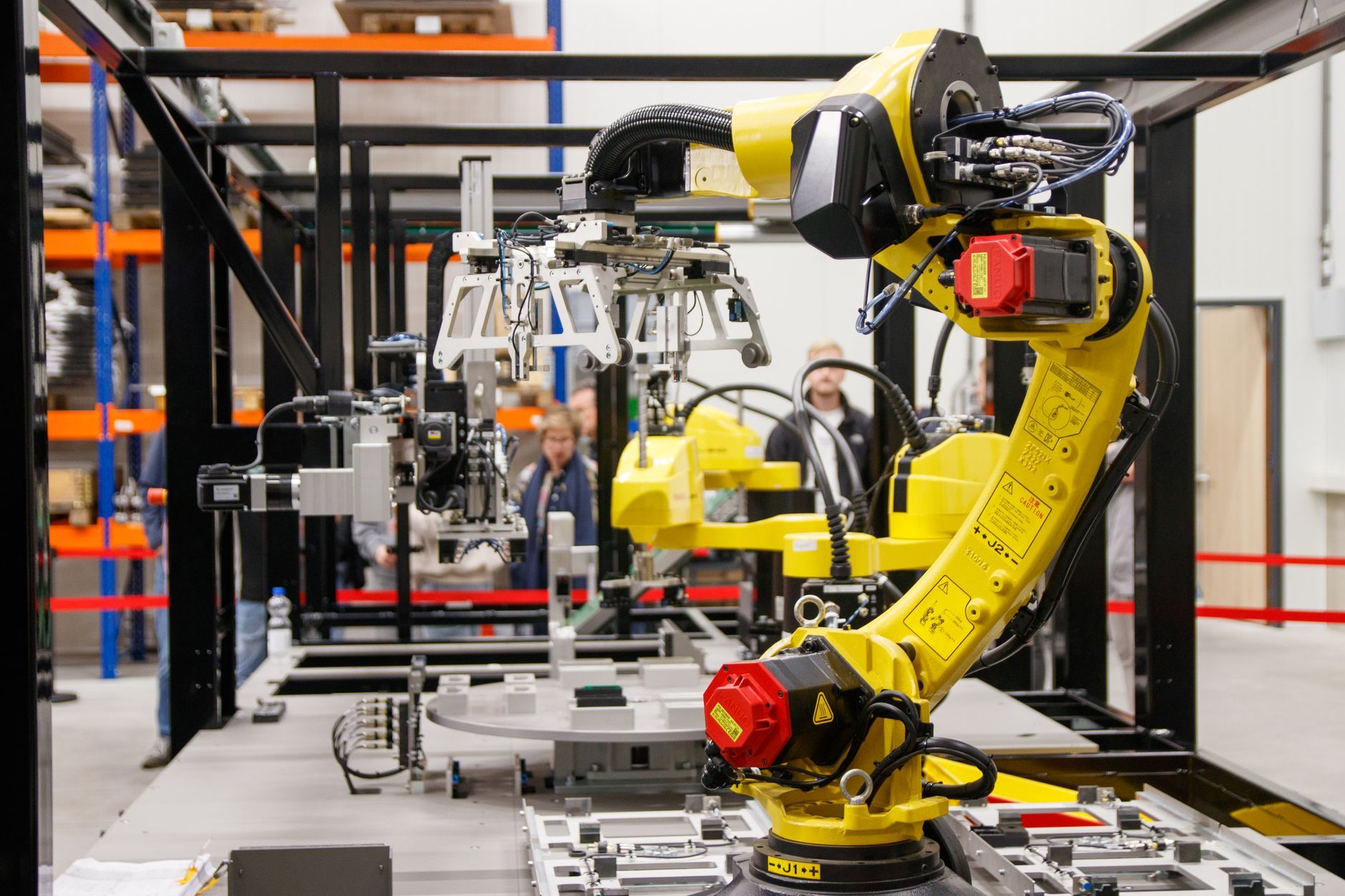
AI Taking Over: 20 Jobs That Are Most Likely to Be Replaced by Robots
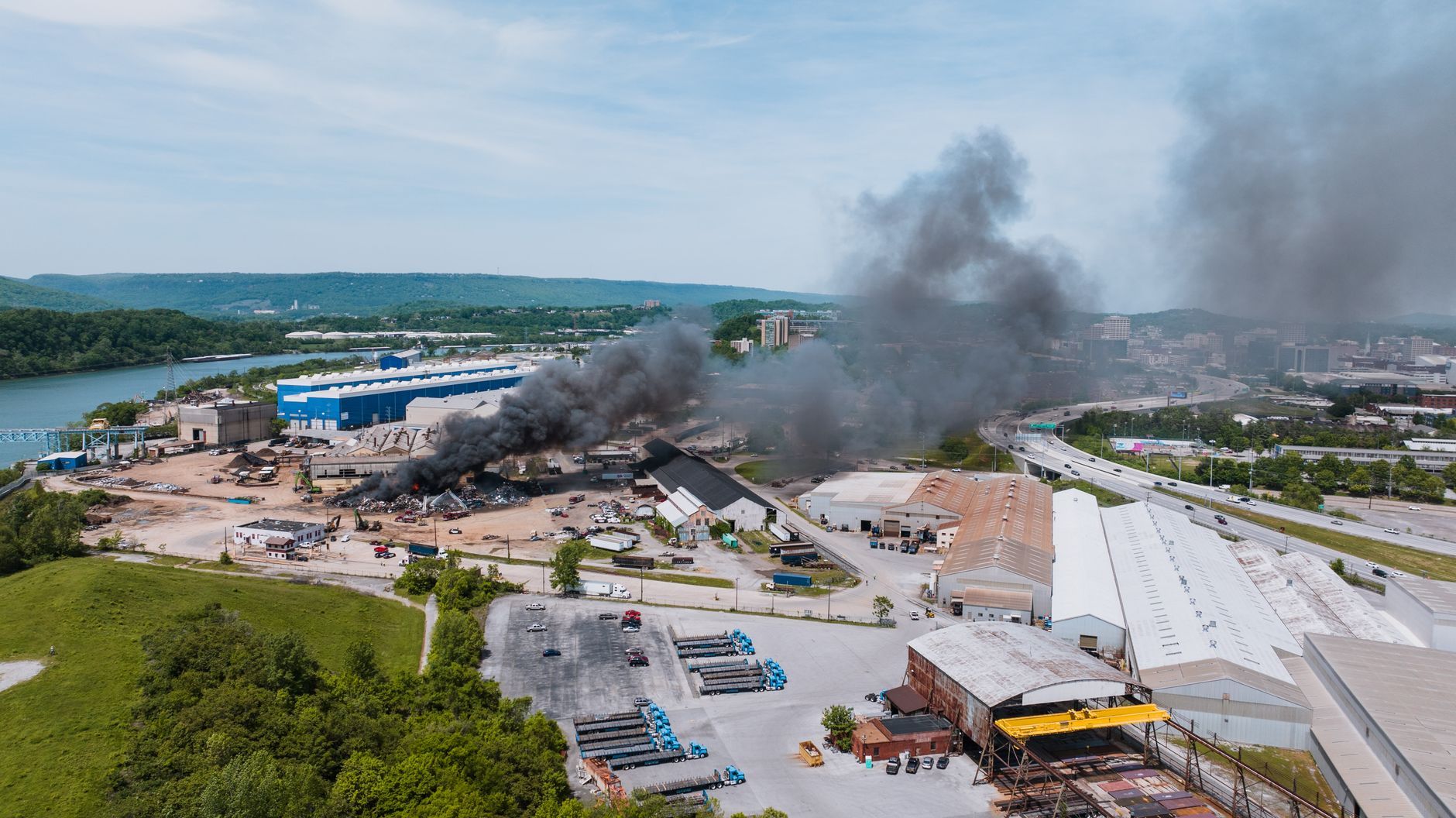
5 Worst Industrial Disasters in India: A Look Back at the Tamil Nadu Seafood Factory Tragedy
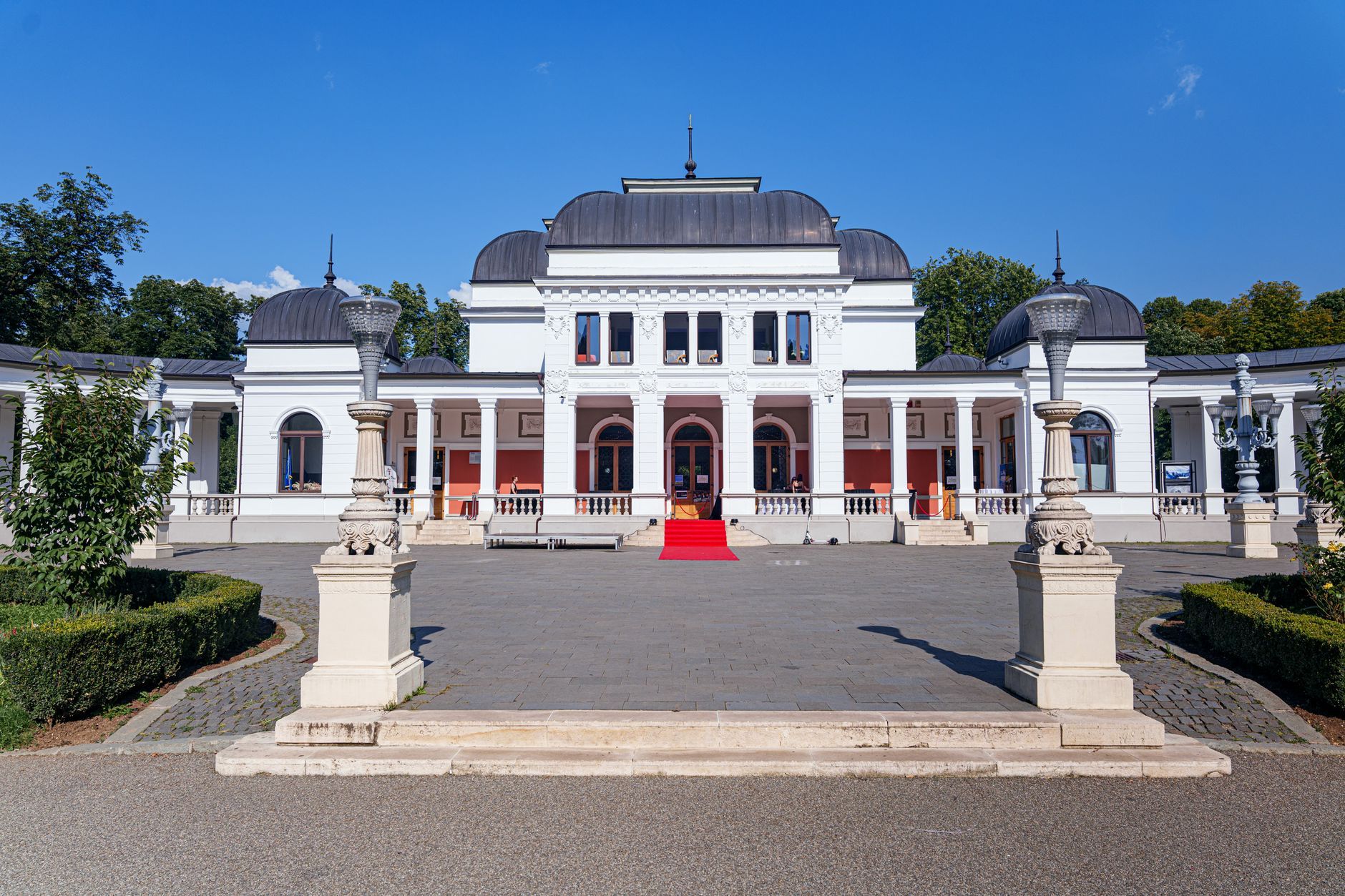
The Big Winners of Transilvania Film Festival: You Won't Guess Which Movies Took Home the Top Prizes!
300x250
Place AdSense Code Here