You Won't Believe Elon Musk's Next Move: Brain Implants and Beyond!
Elon Musk's Neuralink aims to integrate human brains with computers, enabling people to control devices with their minds. The brain-computer interface market is expected to grow significantly, with potential applications in healthcare, gaming, and ed
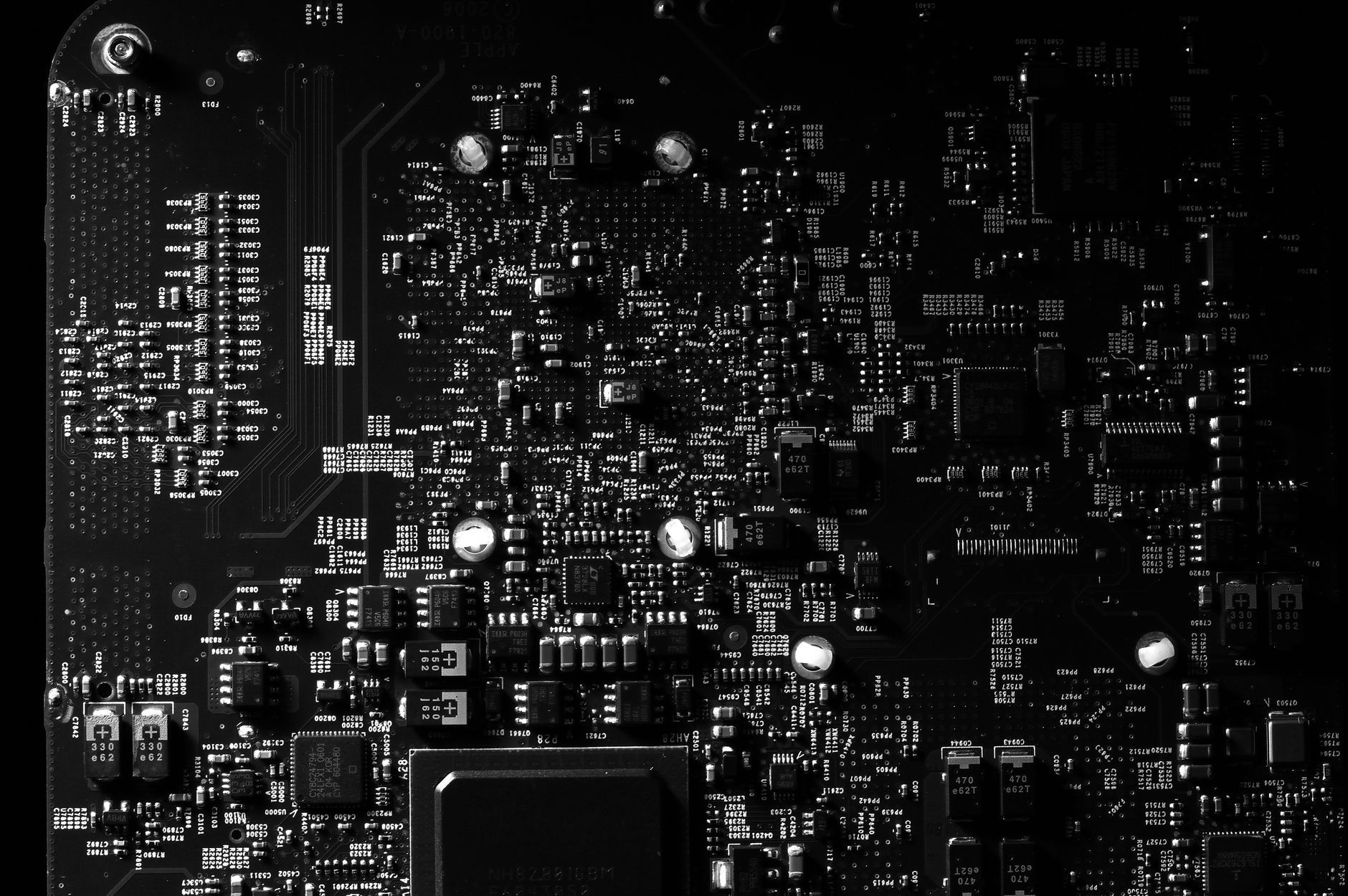
Introduction to Elon Musk's Innovative Ventures
Elon Musk, the visionary entrepreneur and business magnate, has been at the forefront of innovative ventures, transforming the way we live, work, and interact with technology. From revolutionizing the space exploration industry with SpaceX to making electric cars mainstream with Tesla, Musk has consistently pushed the boundaries of what is possible. His latest endeavor, Neuralink, a neurotechnology company, aims to integrate the human brain with computers, paving the way for a new era of brain-computer interfaces.
What is Neuralink?
Neuralink, founded by Musk in 2016, is a neurotechnology company that focuses on developing implantable brain–machine interfaces (BMIs) that could potentially treat a wide range of medical conditions, including paralysis, depression, and anxiety. The company's mission is to create a high-bandwidth interface between the human brain and computers, allowing people to control technology with their minds. Neuralink's brain implant, known as the N1 Sensor, is a tiny chip that is inserted into the brain, where it reads and writes neural signals, effectively merging the human brain with artificial intelligence.
The Future of Human-Computer Interaction
Musk predicts that in the future, there will be no phones, and instead, people will use brain chips to stay connected. This concept may seem like science fiction, but it is an area of research that is rapidly gaining traction. According to Musk, the Neuralink brain chip will enable people to control their devices with their minds, making traditional screens and keyboards obsolete. This technology has the potential to revolutionize the way we interact with information, making it faster, more efficient, and more intuitive.
Beyond Neuralink: The Brain-Computer Interface Landscape
While Neuralink is at the forefront of brain-computer interface (BCI) technology, it is not the only company working on this innovative field. Other companies, such as Kernel, Facebook, and Microsoft, are also developing their own BCI technologies. These companies are working on a range of applications, from treating medical conditions to enhancing human cognition. According to a report by MIT Technology Review, the BCI market is expected to grow significantly in the coming years, with potential applications in fields such as gaming, education, and healthcare.
The Potential Benefits and Risks of Brain-Computer Interfaces
The potential benefits of BCI technology are vast, ranging from treating paralysis and other motor disorders to enhancing human cognition and memory. However, there are also potential risks associated with this technology, including the possibility of hacking and data breaches. As with any new technology, there are also ethical concerns that need to be addressed, such as the potential for unequal access to this technology and the impact on social inequality. According to experts, it is essential to develop clear regulations and guidelines for the development and use of BCI technology to ensure that it is used for the greater good.
Expert Opinions and Predictions
Futurists and experts in the field predict that BCI technology will become increasingly prevalent in the coming years, with some predicting that humans and machines will eventually become one. However, it is essential to approach this technology with caution and carefully consider the potential implications. As Dr. Andrew Feenberg, a philosopher and sociologist, notes, "The future of human-machine interaction is uncertain, and it is crucial to consider the social and ethical implications of this technology before it becomes widespread."
Conclusion
In conclusion, Elon Musk's Neuralink is at the forefront of a revolutionary new field of technology that has the potential to transform the way we interact with computers and each other. While there are potential risks and ethical concerns associated with this technology, the potential benefits are vast, ranging from treating medical conditions to enhancing human cognition. As this technology continues to evolve, it is essential to approach it with caution and carefully consider the potential implications.
Related Articles
300x600
Place AdSense Code Here
Don't Miss
AI Taking Over: 20 Jobs That Are Most Likely to Be Replaced by Robots

5 Worst Industrial Disasters in India: A Look Back at the Tamil Nadu Seafood Factory Tragedy

The Big Winners of Transilvania Film Festival: You Won't Guess Which Movies Took Home the Top Prizes!
300x250
Place AdSense Code Here